
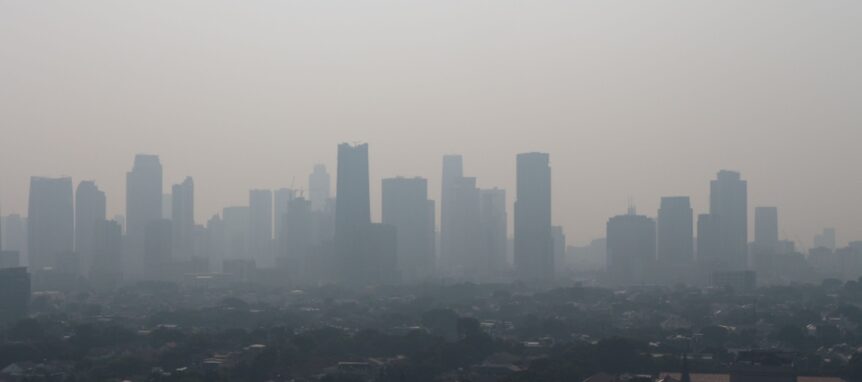
Masonry structures have long been admired for their strength, timelessness, and visual appeal. However, even the most well-built brick or stone building isn’t immune to the wear and tear of its environment. In urban settings like Toronto, pollution plays a significant and often underestimated role in the gradual deterioration of masonry surfaces.
While weather, moisture, and freeze-thaw cycles are commonly discussed threats, the impact of air pollution, acid rain, and surface grime also deserves attention. These environmental factors can accelerate masonry damage, affecting both the appearance and structural integrity of buildings.
The Sources of Urban Pollution
In busy cities, pollution comes from a wide range of sources. Vehicle emissions, industrial activity, heating systems, and construction dust all contribute to a cocktail of pollutants in the air. Over time, these particles settle on masonry surfaces, where they interact with moisture, sunlight, and temperature fluctuations.
Fine particulate matter and exhaust fumes can cling to porous masonry materials like brick, stone, and mortar. Once embedded, these pollutants can initiate or accelerate chemical reactions that degrade the surface or lead to staining and erosion. Older buildings that were constructed with lime mortar or softer stone are especially vulnerable.
Visible Effects of Pollution on Masonry
The most obvious impact of urban pollution is discoloration. Buildings near roads or in high-traffic areas often develop a dark, grimy coating over time. This layer not only detracts from the appearance of the structure but also traps moisture and accelerates biological growth like algae or mold.
Another common issue is the presence of efflorescence: white, powdery deposits that form when water-soluble salts migrate to the surface of bricks or mortar. Pollution can exacerbate this by introducing acidic elements that interact with the masonry and leach minerals to the surface.
In more severe cases, long-term exposure to acidic pollutants such as sulfur dioxide can lead to surface etching or the breakdown of the masonry itself. This is especially problematic in older or historic buildings, where original materials may already be fragile.
Structural Risks Beyond the Surface
While much of the damage from pollution is visible on the surface, its long-term effects go deeper. When pollutants combine with moisture, they can penetrate the pores of masonry materials, weakening the bond between bricks and mortar. As the structure breathes and expands with seasonal changes, these compromised materials are more likely to crack, flake, or spall.
Mortar joints are particularly susceptible. Pollutants can erode the surface of the mortar, leading to gaps that allow water infiltration. Over time, this leads to crumbling joints, increased freeze-thaw damage, and in some cases, the loosening or displacement of bricks.
If left unchecked, pollution-related damage can contribute to more serious structural issues, including compromised chimneys, deteriorating facades, and unsafe load-bearing walls.
How to Protect Masonry from Pollution Damage
Fortunately, masonry can be protected and restored with the right care. Regular inspections are the first step in identifying pollution-related deterioration before it becomes serious. Early signs such as staining, powdery buildup, or softened mortar should be addressed promptly.
Gentle, professional cleaning methods can remove surface pollutants without damaging the underlying materials. It’s important to avoid abrasive techniques or high-pressure washing, as these can worsen the problem. Low-pressure steam cleaning or chemical cleaning solutions designed for historic masonry are safer alternatives.
Repointing, the process of removing damaged mortar and replacing it with new, compatible material, is another crucial strategy. It seals gaps, strengthens the structure, and improves water resistance. In some cases, breathable water repellents may be applied to help masonry resist pollutant absorption while still allowing moisture to escape.
Preserving Masonry in an Urban Environment
Living in a city offers countless benefits, but it also requires homeowners and property managers to be proactive in protecting their buildings from environmental wear. Urban pollution may be invisible day to day, but its impact accumulates year after year, especially on masonry surfaces.
By staying aware of how pollution affects your building’s exterior and taking timely action, you can prevent major damage, extend the life of your masonry, and preserve the beauty of your property for decades to come.
If your brick or stonework shows signs of staining, decay, or wear from pollution exposure, contact Turnbull Masonry for a professional assessment. Their experienced team specializes in masonry restoration tailored to the unique conditions of Toronto’s urban landscape.