
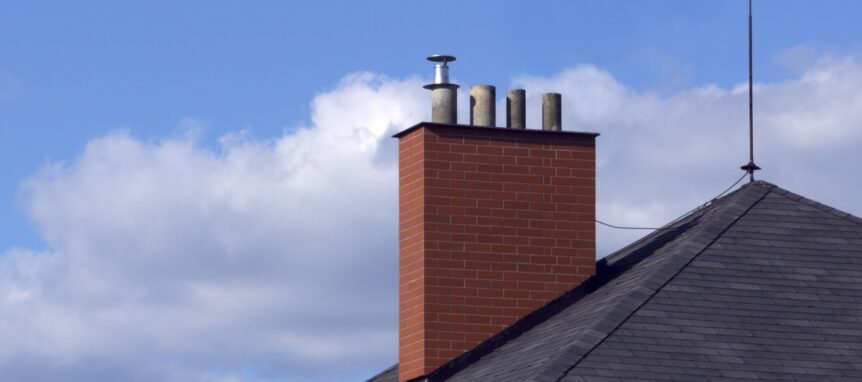
A chimney is one of the most exposed and hardworking masonry structures on a home. Standing above the roofline, it faces constant wind, rain, snow, and dramatic temperature changes throughout the year. Over time, this exposure can lead to deterioration that raises an important question for homeowners: should the chimney be repaired, or is a full rebuild the better solution?
Understanding the difference between repairable damage and conditions that require rebuilding can help you make an informed decision, protect your home, and avoid unnecessary costs. The right approach depends on the extent of the damage, the age of the chimney, and how well it has been maintained over the years.
When Chimney Repairs Are Enough
In many cases, chimney damage can be addressed through targeted repairs. Minor issues such as cracked mortar joints, small surface cracks, or localized brick deterioration are often good candidates for repair rather than replacement. These problems typically develop gradually and can be resolved with repointing, sealing, or selective brick replacement.
Repointing is one of the most common chimney repair methods. It involves removing deteriorated mortar and replacing it with new, properly matched material to restore strength and weather resistance. When performed early, repointing can significantly extend the life of a chimney and prevent moisture from entering the structure.
Chimney crowns and flashing are also frequent sources of repairable damage. Cracked crowns or failing flashing can allow water to seep into the chimney system, but when addressed promptly, these components can be repaired or replaced without rebuilding the entire chimney. Routine inspections often catch these issues before they escalate.
Signs a Chimney May Need Rebuilding
While many problems are repairable, there are situations where rebuilding is the safest and most cost-effective option. Extensive cracking, widespread spalling, leaning chimneys, or severe brick displacement often indicate deeper structural issues. When damage affects a large portion of the chimney, repairs may only offer temporary relief.
Chimneys that have suffered long-term water damage are especially vulnerable. Moisture that penetrates the masonry over many years can weaken bricks and mortar throughout the structure. In cold climates, repeated freeze-thaw cycles compound this damage, eventually compromising the chimney’s integrity.
Another factor is age. Older chimneys, particularly those built decades ago with outdated materials or construction methods, may no longer meet current safety standards. In these cases, rebuilding provides an opportunity to restore structural stability while incorporating modern techniques and materials that improve longevity.
Comparing Costs and Long-Term Value
At first glance, repairs may appear to be the more affordable option, and in many cases, they are. However, repeated repairs on a severely deteriorated chimney can add up quickly. If repairs only address surface issues while underlying problems remain, homeowners may find themselves paying for the same work multiple times.
Rebuilding a chimney is a larger upfront investment, but it often provides better long-term value when damage is extensive. A properly rebuilt chimney offers improved durability, better moisture resistance, and peace of mind knowing the structure is safe and stable. In the long run, rebuilding can reduce ongoing maintenance costs and prevent emergency repairs.
The Importance of Professional Assessment
Determining whether to repair or rebuild a chimney is not always straightforward. Some damage may appear minor on the surface while hiding significant issues beneath. A professional masonry inspection is essential for accurately assessing the condition of the chimney and identifying the most appropriate solution.
An experienced mason will evaluate the brickwork, mortar joints, crown, flashing, and overall alignment of the chimney. They can also assess whether moisture damage or structural movement is present and recommend a course of action based on both safety and cost-effectiveness.
Making the Right Choice for Your Home
Every home is different, and there is no one-size-fits-all answer when it comes to chimney restoration. The right decision balances immediate needs with long-term protection. Addressing small problems early often allows homeowners to avoid rebuilding altogether, while recognizing when rebuilding is necessary can prevent ongoing issues and rising costs.
In Toronto’s climate, where chimneys endure harsh winters and seasonal extremes, proactive care is especially important. Whether your chimney needs targeted repairs or a complete rebuild, taking action sooner rather than later is the key to protecting your home.
If you’re unsure whether your chimney can be repaired or needs rebuilding, professional guidance makes all the difference. For expert chimney inspections, repairs, and rebuilding services, contact Turnbull Masonry today. Their experienced team can evaluate your chimney and help you choose the safest, most cost-effective solution for your home.