
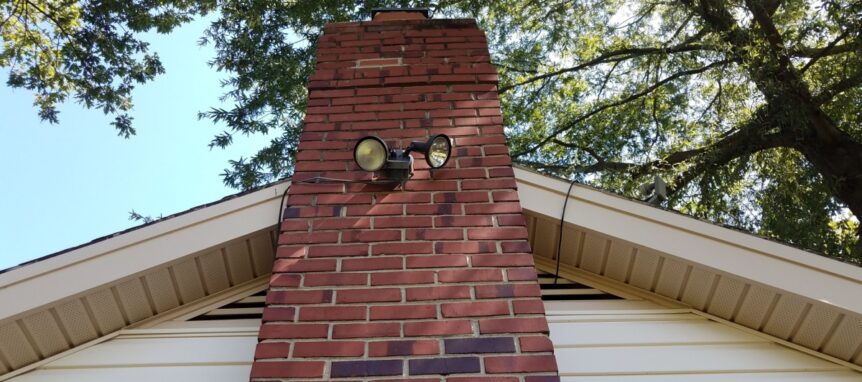
Proper ventilation is essential for maintaining the health and functionality of your chimney and surrounding masonry. While many homeowners focus on visible issues like cracks or loose bricks, ventilation problems often go unnoticed until they lead to more serious damage. In reality, airflow plays a critical role in preventing moisture buildup, reducing internal deterioration, and ensuring safe operation of your chimney system.
In a climate like Toronto’s, where cold winters and humid summers create constant temperature shifts, poor ventilation can accelerate masonry wear and compromise both structural integrity and indoor air quality.
How Chimney Ventilation Works
A properly functioning chimney is designed to allow smoke, gases, and heat to rise and exit the home efficiently. This process, known as drafting, relies on a balance of temperature differences and unobstructed airflow. When ventilation is working correctly, warm air rises through the flue, carrying combustion byproducts safely out of the home.
At the same time, ventilation helps regulate moisture within the chimney system. Masonry naturally absorbs small amounts of moisture, but proper airflow allows that moisture to evaporate rather than accumulate inside the structure.
What Happens When Ventilation Is Poor
When chimney ventilation is compromised, several issues can develop. One of the most immediate problems is the buildup of moisture within the chimney. Without proper airflow, trapped moisture cannot escape, leading to damp conditions that weaken both brick and mortar over time.
Poor ventilation can also cause smoke and harmful gases to linger or re-enter the home. This not only affects air quality but can also lead to dangerous conditions, particularly if carbon monoxide is involved.
Internally, reduced airflow encourages the buildup of creosote, a highly flammable substance that accumulates on the inner walls of the chimney. Excessive creosote increases the risk of chimney fires and further restricts airflow, creating a cycle of worsening conditions.
The Effects on Masonry Over Time
Over time, poor ventilation can significantly impact the durability of masonry. Moisture that becomes trapped inside brick and mortar contributes to deterioration, especially during freeze-thaw cycles. As water freezes and expands, it causes cracking, spalling, and the gradual breakdown of masonry surfaces.
Mortar joints are particularly vulnerable. Constant exposure to moisture can cause them to soften and erode, creating gaps that allow even more water to enter the system. This can lead to loose bricks, structural instability, and costly repairs if not addressed early.
In addition, excessive moisture can promote mold and mildew growth within the chimney or nearby interior walls, further affecting the condition of the home.
Common Causes of Poor Chimney Ventilation
Ventilation issues can arise from several sources. Blockages are one of the most common causes, often due to debris, animal nests, or creosote buildup inside the flue. Even partial obstructions can disrupt airflow and reduce the chimney’s efficiency.
Improper chimney design or outdated construction methods can also contribute to poor ventilation. Older chimneys may lack modern features that improve airflow, such as properly sized flues or ventilation caps.
A missing or damaged chimney cap is another frequent issue. Without a cap, rain, snow, and debris can enter the chimney, leading to blockages and increased moisture retention.
Improving Ventilation and Protecting Your Masonry
Addressing ventilation problems begins with regular inspections and maintenance. Keeping the chimney clean and free of obstructions allows air to flow properly and reduces the risk of moisture buildup and creosote accumulation.
Installing or maintaining a properly fitted chimney cap can also improve ventilation while preventing debris and water from entering the system. In some cases, upgrading ventilation components or making adjustments to the flue can enhance overall performance.
Ensuring that the chimney is properly sealed and that surrounding masonry is in good condition further supports airflow and moisture management. Repairs such as repointing or sealing cracks help prevent water from entering the system in the first place.
Protecting Your Chimney from the Inside Out
Poor ventilation is a hidden threat that can lead to serious masonry damage if left unaddressed. By maintaining proper airflow, homeowners can reduce moisture buildup, prevent internal deterioration, and extend the life of their chimney and masonry structures.
If you suspect your chimney is not venting properly or you’ve noticed signs of moisture damage, it’s important to have it evaluated by a professional. For expert chimney inspections, repairs, and ventilation solutions, contact Turnbull Masonry. Their experienced team can ensure your chimney and masonry remain safe, efficient, and built to last.