
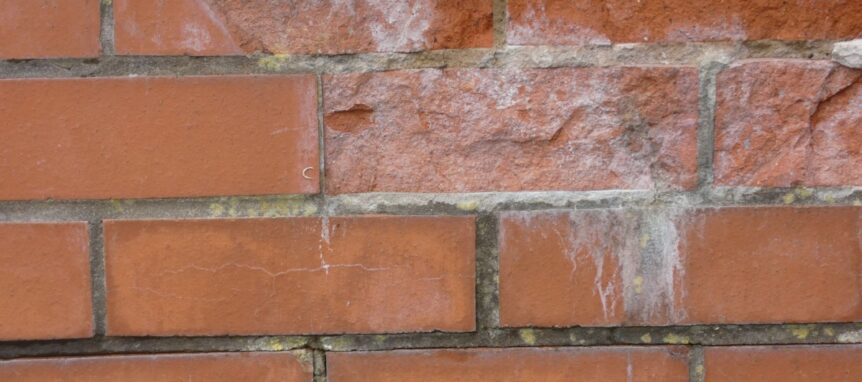
Brick is known for its durability and long lifespan, but even the strongest masonry can deteriorate over time when exposed to harsh environmental conditions. One of the most common forms of brick damage homeowners encounter is spalling. Spalling occurs when the surface of a brick begins to flake, chip, or break apart, often leaving behind crumbling material and exposed interior surfaces.
In Toronto’s climate, where masonry structures endure constant freeze-thaw cycles, moisture exposure, and seasonal weather extremes, spalling is a widespread issue. Understanding what causes brick spalling and how to prevent it can help homeowners protect their masonry and avoid costly repairs.
What Is Brick Spalling?
Brick spalling refers to the deterioration of the outer surface of a brick. It typically begins as minor flaking or peeling but can progress into larger sections breaking away entirely. As the protective outer layer erodes, the brick becomes increasingly vulnerable to moisture and structural weakening.
Spalling is not simply a cosmetic problem. Once the surface integrity of the brick is compromised, water can penetrate deeper into the material, accelerating further deterioration and potentially affecting surrounding mortar joints and masonry components.
The Role of Moisture in Spalling
Moisture is the primary cause of brick spalling. Brick is naturally porous, meaning it absorbs water from rain, snow, and humidity. When temperatures drop below freezing, the moisture trapped inside the brick expands as it turns to ice. This expansion creates internal pressure that gradually weakens the surface of the brick.
As freeze-thaw cycles repeat throughout the winter, the damage becomes more severe. Eventually, the outer layer of the brick begins to crack, flake, or separate from the rest of the structure.
In climates like Toronto’s, where winter temperatures fluctuate frequently, this cycle can occur repeatedly over a single season, dramatically accelerating masonry deterioration.
Other Factors That Contribute to Brick Spalling
While moisture is the main cause, several other factors can increase the likelihood of spalling. Poor drainage around the home can direct excess water toward masonry surfaces, saturating bricks and mortar over time. Clogged gutters or improperly positioned downspouts can worsen this issue by allowing water to run down walls or collect near foundations.
Using improper sealants can also contribute to spalling. Some sealants trap moisture inside the brick instead of allowing it to evaporate naturally. When trapped water freezes, the resulting pressure causes even greater damage.
De-icing salts are another major contributor. Salt lowers the freezing point of water and increases freeze-thaw activity on masonry surfaces. Over time, salts can penetrate brick and weaken its structure from within.
Older bricks may also be more susceptible to spalling, particularly if they were manufactured using softer materials or have already experienced decades of environmental exposure.
Signs That Brick Spalling Is Developing
Early detection is essential for preventing widespread masonry damage. One of the first signs of spalling is small flakes or chips appearing on the brick surface. Homeowners may notice pieces of brick collecting near walls, steps, or chimneys.
As the condition worsens, larger sections of the brick may begin to break away, exposing rough or uneven surfaces beneath. Cracks in surrounding mortar joints often accompany spalling because moisture affects both the brick and the mortar system.
Discoloration, efflorescence, and persistent dampness may also indicate that excessive moisture is contributing to the problem.
How Brick Spalling Can Be Prevented
Preventing spalling starts with controlling moisture exposure. Maintaining proper drainage around the home is one of the most effective strategies. Gutters and downspouts should direct water away from masonry surfaces and foundations to minimize saturation.
Routine masonry inspections help identify small cracks or deteriorating mortar joints before water can penetrate deeper into the structure. Repointing damaged mortar and replacing cracked bricks promptly reduces the risk of moisture intrusion.
Using breathable masonry sealants where appropriate can also help protect brick surfaces while still allowing trapped moisture vapor to escape naturally. It is important to use products specifically designed for masonry to avoid trapping water inside the brick.
Avoiding excessive use of de-icing salts near masonry surfaces further reduces the likelihood of freeze-thaw damage during winter months.
Addressing Spalling Before It Spreads
Once brick spalling begins, timely repairs are essential. Damaged bricks often need to be replaced to restore the integrity of the wall, while surrounding mortar joints may require repointing. Ignoring spalling allows moisture to continue penetrating the structure, increasing the likelihood of larger-scale masonry failure over time.
Professional masonry restoration ensures that brick repairs are completed using compatible materials and proper techniques, helping prevent the issue from recurring.
If you’ve noticed flaking bricks, crumbling surfaces, or signs of moisture damage, professional evaluation can help prevent more extensive deterioration. For expert masonry inspections and brick repair services, contact Turnbull Masonry. Their experienced team can restore damaged masonry and help protect your home from future spalling and moisture-related issues.