
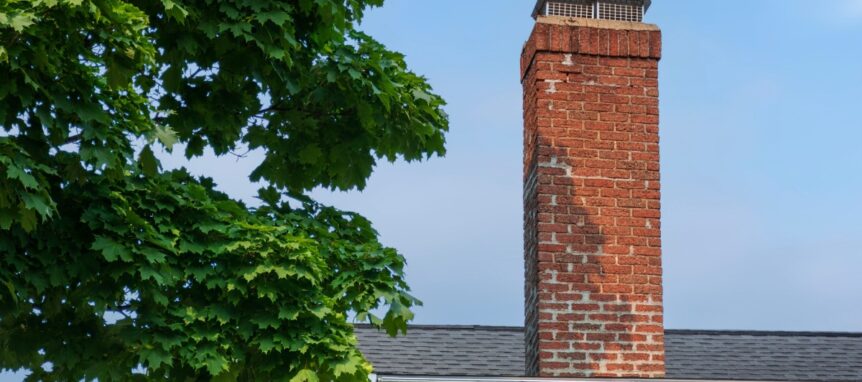
Chimneys are built to last, but compared to other masonry structures on a home, they often deteriorate much faster. While brick walls and foundations benefit from some degree of protection from roofing systems and surrounding structures, chimneys remain fully exposed to the elements year-round. Constant contact with rain, snow, wind, heat, and freezing temperatures places enormous stress on chimney masonry over time.
In Toronto’s climate, where freeze-thaw cycles and harsh winters are common, chimney deterioration is one of the most frequent masonry problems homeowners face. Understanding why chimneys break down faster than other masonry structures can help homeowners recognize early warning signs and take proactive steps to prevent costly repairs.
Constant Exposure to the Elements
Unlike most exterior masonry, chimneys are exposed on all sides and extend above the roofline without much protection. Rain, snow, and ice strike the chimney directly, saturating brick and mortar repeatedly throughout the year.
This constant exposure allows moisture to penetrate deep into the masonry system. During winter, trapped moisture freezes and expands, causing bricks and mortar joints to crack and weaken. As temperatures rise again, the ice melts, leaving behind larger gaps that absorb even more moisture during the next cycle.
Because chimneys receive more weather exposure than walls or foundations, this freeze-thaw damage occurs much more aggressively.
Moisture Intrusion from Multiple Sources
Chimneys face moisture intrusion not only from the outside but also from within. Rainwater can enter through cracked crowns, deteriorated mortar joints, or damaged flashing around the roofline. At the same time, condensation from fireplace use can contribute internal moisture to the chimney system.
Over time, this combination of internal and external moisture creates the perfect conditions for masonry deterioration. Mortar joints begin to erode, bricks absorb excess water, and surfaces start to crack or spall.
Even small points of entry can cause widespread damage if moisture is allowed to move freely through the chimney structure.
Heat and Temperature Fluctuations
Chimneys experience more dramatic temperature swings than most masonry structures because they are exposed to both outdoor weather and internal heat from fireplaces or heating systems. When the fireplace is in use, the interior of the chimney heats up rapidly while the exterior remains cold during winter months.
This constant expansion and contraction places additional stress on the masonry. Over time, repeated thermal movement weakens mortar joints and contributes to cracking. The upper sections of the chimney are particularly vulnerable because they experience the greatest temperature fluctuations and weather exposure simultaneously.
Chimney Components That Commonly Fail
Several chimney components are especially prone to deterioration. The chimney crown, which sits at the top of the structure, is constantly exposed to water and temperature changes. Cracks in the crown allow water to seep deeper into the chimney, accelerating internal damage.
Flashing around the base of the chimney is another common failure point. If flashing becomes loose or deteriorates, water can enter where the chimney meets the roof, leading to both masonry and interior water damage.
Mortar joints often deteriorate faster on chimneys than elsewhere on the home because of the combined effects of moisture, heat, and wind exposure. Once mortar begins to fail, bricks become more vulnerable to movement and water penetration.
Why Neglected Chimney Damage Escalates Quickly
Because chimneys are elevated and less visible than other masonry areas, homeowners often overlook early signs of deterioration. Small cracks or missing mortar may go unnoticed until larger issues develop.
Unfortunately, chimney damage tends to worsen quickly once it begins. Moisture spreads rapidly through compromised masonry, leading to loose bricks, leaning chimneys, and severe structural instability. What may start as minor mortar deterioration can eventually require partial or complete chimney rebuilding if left untreated.
Routine inspections are especially important because many chimney problems begin in areas that are difficult to see from the ground.
Protecting Your Chimney from Premature Deterioration
Preventative maintenance is the best defense against chimney deterioration. Regular inspections allow professionals to identify early signs of cracking, moisture intrusion, or mortar failure before they escalate.
Keeping the chimney crown, flashing, and mortar joints in good condition significantly reduces the risk of water penetration. Repointing deteriorated mortar and repairing damaged chimney components early can dramatically extend the life of the chimney.
Proper ventilation and the use of chimney caps also help reduce moisture buildup while preventing debris and animals from entering the system.
Preserving One of Your Home’s Most Vulnerable Structures
Chimneys deteriorate faster than other masonry structures because they endure constant exposure to moisture, temperature extremes, and environmental stress. Without regular maintenance, even minor issues can quickly develop into major structural problems.
By understanding why chimneys are so vulnerable and addressing repairs early, homeowners can avoid costly restoration work and protect the safety and stability of their home.
If your chimney is showing signs of cracking, loose mortar, water damage, or general deterioration, professional evaluation is essential. For expert chimney inspections, repairs, and restoration services, contact Turnbull Masonry. Their experienced team can help keep your chimney strong, safe, and protected against Toronto’s harsh climate.