
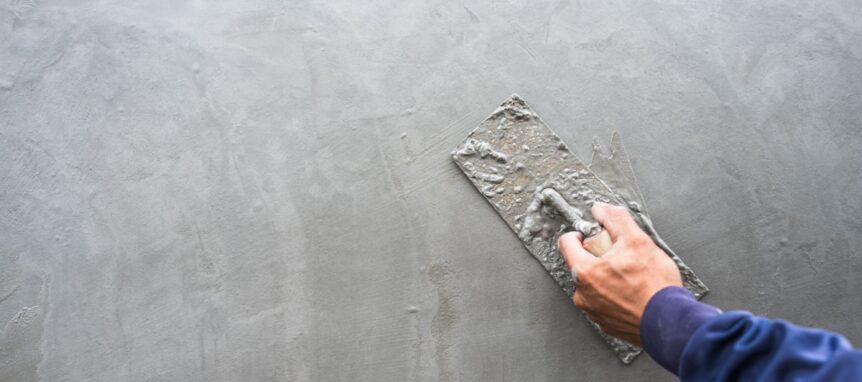
When masonry damage appears, many homeowners are eager to address the problem as quickly as possible. Whether it’s a cracked brick, deteriorating mortar joint, or damaged chimney, making repairs may seem straightforward. However, masonry is a highly specialized trade, and improper repairs can often create more problems than they solve.
While poorly executed repairs may temporarily improve the appearance of a structure, they can accelerate deterioration, trap moisture, and compromise structural stability over time. Understanding the risks associated with improper masonry work can help homeowners make informed decisions and protect their investment for years to come.
Masonry Systems Are Designed to Work Together
Brick, stone, mortar, flashing, and other masonry components function as a complete system. Each material has a specific purpose and is designed to respond to moisture, temperature changes, and structural movement in a particular way.
When repairs fail to consider how these materials interact, the balance of the system can be disrupted. A repair that appears solid on the surface may actually create hidden weaknesses that lead to future deterioration. Proper masonry restoration requires an understanding of both the materials involved and the forces acting on the structure throughout the year.
Using the Wrong Mortar Can Damage Brickwork
One of the most common mistakes in masonry repair is using an incompatible mortar mix. Older homes often contain softer brick and lime-based mortar, while modern repair products frequently rely on stronger cement-based materials.
When mortar is harder than the surrounding brick, the brick absorbs stress instead of the mortar. Over time, this can cause cracking, spalling, and irreversible damage to the masonry units themselves. Rather than preserving the structure, the repair accelerates deterioration.
Proper mortar matching is essential for ensuring that repairs perform correctly and blend seamlessly with the existing masonry.
Trapping Moisture Inside the Wall
Many improper repairs create moisture problems that may not become apparent for months or even years. Using inappropriate sealants, coatings, or repair materials can prevent masonry from breathing properly.
Brick and mortar naturally absorb and release moisture. When water becomes trapped inside the wall, freeze-thaw cycles create internal pressure that leads to cracking, spalling, and mortar deterioration. What may have started as a small cosmetic repair can eventually result in extensive structural damage.
Proper repairs allow moisture to escape while still protecting the masonry from excessive water intrusion.
Covering Problems Instead of Fixing Them
Some repairs focus on hiding visible damage rather than addressing its underlying cause. Simply patching a crack, applying a coating over deteriorated masonry, or replacing damaged bricks without investigating why the damage occurred can lead to recurring problems.
For example, a crack caused by foundation movement will likely return if the structural issue remains unresolved. Similarly, replacing damaged bricks without addressing moisture intrusion may only provide a temporary improvement before new damage develops.
Effective masonry repair begins with identifying the root cause of the problem and developing a solution that addresses both the symptoms and the source.
Poor Chimney Repairs Can Create Safety Risks
Chimneys are especially vulnerable to improper repairs because they experience constant exposure to weather, heat, and moisture. Incorrect flashing installation, poorly executed repointing, or improper crown repairs can allow water to penetrate the chimney system.
Over time, these issues can lead to loose bricks, structural instability, and accelerated deterioration. In severe cases, neglected or improperly repaired chimneys may present safety hazards for homeowners and their families.
Because chimney repairs often involve multiple components working together, professional expertise is particularly important.
The Cost of Fixing Failed Repairs
Many homeowners choose quick or inexpensive repairs in an effort to save money. Unfortunately, improperly completed work often leads to more expensive repairs later. Once damage spreads beyond the original problem area, restoration becomes more complex and labor-intensive.
In some cases, failed repairs must be completely removed before proper restoration can begin. This adds additional costs and extends project timelines. Investing in quality workmanship from the start is often far more affordable than correcting mistakes later.
Professional masonry repairs are designed to provide long-term durability rather than temporary fixes.
Protecting Your Masonry Investment
Masonry structures are built to last for generations, but they depend on proper maintenance and repair techniques to reach their full lifespan. Choosing the right materials, addressing root causes, and following proven restoration practices are essential for preserving both the appearance and structural integrity of your home.
When masonry issues arise, professional evaluation ensures that repairs strengthen the structure rather than creating new problems. The right approach today can prevent extensive damage and unnecessary expenses in the future.
If you’ve noticed cracks, deteriorating mortar, chimney damage, or signs of previous repair work failing, it’s important to have your masonry assessed by experienced professionals. For expert masonry restoration and repair services, contact Turnbull Masonry. Their skilled team understands the proper techniques and materials needed to deliver lasting results and protect your home for years to come.