
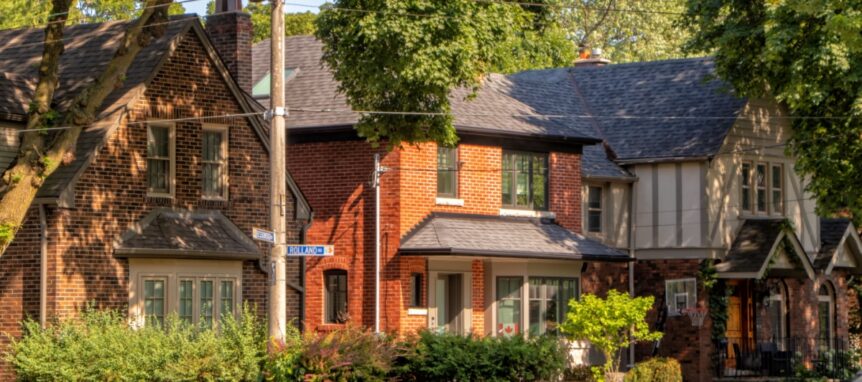
Toronto is home to countless historic neighborhoods filled with character-rich brick houses, stone facades, and traditional masonry construction. Many of these homes have stood for decades, and some for well over a century. While masonry is known for its durability, age, weather exposure, and environmental conditions eventually take their toll.
Older homes often develop masonry issues that, if left unaddressed, can lead to costly repairs and structural concerns. Understanding the most common masonry problems found in older Toronto homes can help homeowners recognize warning signs early and take proactive steps to protect their investment.
Deteriorating Mortar Joints
One of the most common masonry issues in older homes is deteriorating mortar. Mortar is designed to be softer than the bricks it holds together, allowing it to absorb movement and weather-related stress. Over time, exposure to rain, snow, wind, and freeze-thaw cycles causes mortar joints to erode and weaken.
As mortar deteriorates, gaps begin to form between bricks, creating pathways for water infiltration. Homeowners may notice crumbling mortar, recessed joints, or loose bricks as signs that repointing may be necessary. Because many Toronto homes were built decades ago, mortar deterioration is often one of the first masonry problems to appear.
Brick Spalling and Surface Damage
Spalling occurs when the face of a brick begins to crack, flake, or break away. This problem is particularly common in Toronto due to the region’s freeze-thaw cycles. When moisture enters a brick and freezes, it expands, creating internal pressure that eventually damages the surface.
Older bricks can be especially vulnerable because they may be more porous than modern masonry materials. Once spalling begins, it often spreads if moisture issues are not addressed. What starts as minor surface damage can eventually compromise the structural integrity of the wall.
Foundation Cracks and Settlement
Many older Toronto homes have experienced decades of natural settling. While some movement is normal, excessive settlement can lead to visible cracks in foundation walls and masonry surfaces. These cracks often appear as stair-step patterns following mortar joints or as vertical fissures extending through brickwork.
Changes in soil moisture, aging infrastructure, and seasonal temperature fluctuations can all contribute to foundation movement. While small cracks may be cosmetic, larger or expanding cracks should be evaluated promptly to determine whether structural repairs are necessary.
Chimney Deterioration
Chimneys are among the most vulnerable masonry structures on older homes. Constant exposure to rain, snow, wind, and temperature changes accelerates deterioration. Over time, mortar joints weaken, bricks crack, and chimney crowns begin to fail.
Many older chimneys also suffer from flashing issues where the chimney meets the roof. Damaged flashing allows water to enter the structure, leading to interior leaks and further masonry damage. Because chimneys are often difficult to inspect from the ground, problems can go unnoticed until significant deterioration has occurred.
Moisture Intrusion and Efflorescence
Moisture is one of the leading causes of masonry damage in older homes. Water can enter through cracks, deteriorated mortar joints, damaged flashing, or poor drainage around the property. Once inside the masonry system, moisture contributes to freeze-thaw damage, mold growth, and structural weakening.
Efflorescence is often one of the first visible signs of a moisture problem. This white, powdery substance appears when water carries salts through brick and mortar to the surface. While efflorescence itself is not harmful, it serves as a warning that moisture is moving through the masonry and should be investigated.
Aging Repairs and Incompatible Materials
Many older homes have undergone repairs over the years, but not all repairs age well. In some cases, modern materials were used that are incompatible with historic brick and mortar. For example, hard cement-based mortars can trap moisture inside older bricks, leading to accelerated deterioration.
Poorly executed repairs may also create aesthetic inconsistencies and structural issues. Identifying and correcting these past repair mistakes is often an important part of preserving older masonry structures.
Preserving Toronto’s Historic Homes
Older Toronto homes offer unique charm, craftsmanship, and architectural beauty, but they require ongoing maintenance to remain in good condition. Understanding the most common masonry problems allows homeowners to address issues early and prevent minor deterioration from becoming major structural damage.
Regular inspections and timely repairs are essential for preserving both the appearance and stability of aging masonry. By investing in preventative maintenance, homeowners can extend the life of their brickwork and protect the character of their property for generations to come.
If your older home is showing signs of masonry deterioration, moisture intrusion, or structural movement, professional evaluation can help identify the cause and recommend the right solution. For expert masonry inspections, restoration, and repairs, contact Turnbull Masonry. Their experienced team specializes in maintaining and restoring the masonry features that make Toronto’s historic homes so distinctive.