
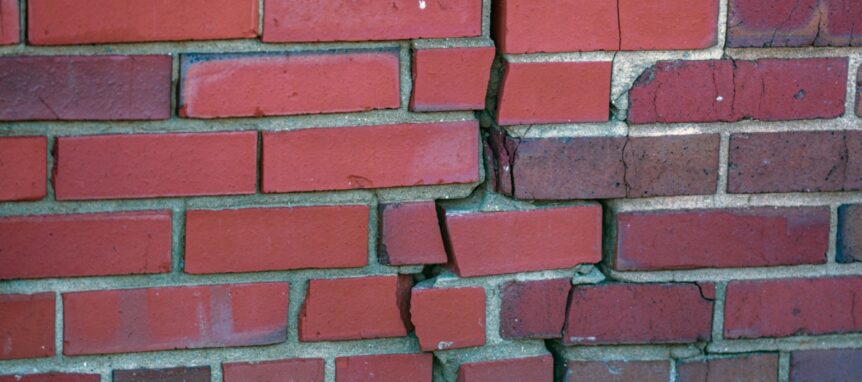
Finding a crack in your brickwork can be alarming. Many homeowners immediately worry that their home is experiencing major structural problems, but the truth is that not all cracks are cause for concern. Masonry naturally responds to environmental conditions, temperature changes, and the gradual settling of a building over time. Some cracks are simply a normal part of a structure’s aging process, while others may indicate more significant issues that require prompt attention.
Understanding the difference between harmless cracks and those that signal serious structural concerns can help homeowners make informed decisions and avoid unnecessary repairs. In Toronto’s climate, where freeze-thaw cycles and seasonal ground movement are common, recognizing the warning signs is especially important.
Why Brick Cracks Develop
Brick and mortar are durable materials, but they are constantly subjected to stress. Temperature fluctuations cause masonry to expand and contract, while moisture can penetrate small openings and create additional pressure during freezing conditions. Buildings also settle naturally over time as foundations adjust to soil conditions and the weight of the structure.
As these forces act on a masonry wall, cracks may begin to appear. The location, size, and pattern of a crack often provide valuable clues about its cause and severity. Some cracks are expected and relatively harmless, while others point to underlying structural movement that should not be ignored.
Harmless Cracks and Normal Settlement
Many cracks found in brickwork are the result of normal settlement. These cracks are often small, stable, and do not continue to grow over time. Hairline cracks that appear in mortar joints rather than through the bricks themselves are commonly associated with minor building movement and aging.
Small vertical cracks may also occur as materials expand and contract with seasonal temperature changes. In many cases, these cracks remain purely cosmetic and do not affect the structural integrity of the wall. While they should still be monitored, they are generally not considered emergencies.
Older Toronto homes frequently develop minor settlement cracks as part of their natural aging process. Regular inspections can help determine whether these cracks remain stable or require attention.
Warning Signs of Serious Structural Problems
While some cracks are harmless, others may indicate significant structural concerns. Large cracks, widening cracks, or cracks that continue to grow over time deserve immediate attention. Stair-step cracks that follow mortar joints can be particularly concerning when they become wide or appear suddenly.
Cracks that run directly through bricks rather than along mortar joints often suggest more substantial movement within the wall. Similarly, horizontal cracks are frequently considered more serious because they can indicate pressure against the wall or structural instability.
If cracks are accompanied by bulging walls, leaning chimneys, sticking doors or windows, or uneven floors, the problem may extend beyond the masonry itself and involve foundation movement or structural settlement.
The Role of Moisture in Crack Development
Moisture often plays a major role in masonry cracking. Water enters small openings in brick and mortar, and when temperatures drop, it freezes and expands. Over time, repeated freeze-thaw cycles enlarge existing cracks and create new pathways for water intrusion.
As moisture penetrates deeper into the masonry system, it can weaken mortar joints and contribute to spalling, where the surface of the brick begins to break apart. What may have started as a small cosmetic crack can eventually become a more serious repair issue if moisture is allowed to continue entering the structure.
Addressing moisture-related problems early is one of the most effective ways to prevent crack progression.
Why Professional Evaluation Matters
Determining whether a crack is harmless or serious is not always straightforward. Two cracks that appear similar on the surface may have very different underlying causes. Professional masonry inspections provide a thorough assessment of the structure, helping homeowners understand whether a crack is simply cosmetic or a symptom of a larger issue.
An experienced mason will evaluate the crack pattern, measure movement, inspect surrounding masonry, and identify potential causes such as settlement, moisture intrusion, or foundation problems. This allows for targeted repairs that address the root cause rather than just the visible symptoms.
Knowing When to Act
Brick cracks are not always a reason to panic, but they should never be ignored entirely. Monitoring small, stable cracks can help homeowners track changes over time, while larger or expanding cracks should be evaluated as soon as possible.
The sooner structural issues are identified, the easier and more affordable they are to repair. By understanding the difference between normal masonry movement and signs of serious damage, homeowners can protect both their property and their peace of mind.
If you’ve noticed cracks in your brickwork and aren’t sure whether they’re cosmetic or structural, professional guidance can help you make the right decision. For expert masonry inspections and repair services, contact Turnbull Masonry. Their experienced team can assess your masonry, identify the cause of the cracks, and recommend the best solution to keep your home safe and structurally sound.