
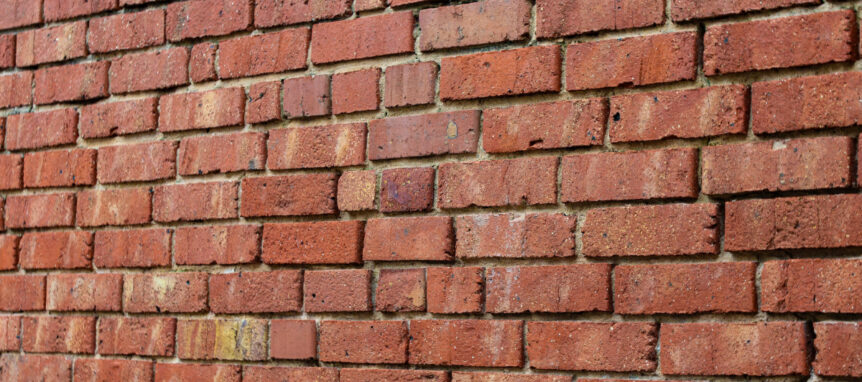
A brick wall should appear straight, stable, and uniform. When sections begin to curve outward, lean, or develop noticeable bulges, it can be a warning sign that something within the masonry system is no longer functioning as intended. Unlike minor surface cracks or discoloration, bowing brickwork may indicate movement that deserves professional attention.
For homeowners in Toronto, older masonry construction combined with moisture, seasonal temperature changes, and decades of weather exposure can contribute to wall movement. Understanding why brick walls bow or bulge can help property owners recognize potential problems early and take action before the damage becomes more extensive.
Moisture Can Contribute to Wall Movement
Water is one of masonry’s biggest challenges. Brick and mortar naturally absorb some moisture, but problems can develop when excessive water repeatedly enters the wall or becomes trapped within the masonry system.
Deteriorated mortar joints, damaged flashing, leaking gutters, and poor drainage can all increase moisture exposure. During Toronto’s colder months, water within masonry can freeze and expand. Repeated freeze-thaw cycles can gradually weaken mortar and damaged brick, contributing to movement within an already vulnerable wall.
Moisture can also affect materials located behind the visible brickwork. Because the source of a bulge may not be obvious from the exterior, determining where water is entering is an important part of evaluating the problem.
Deteriorated or Corroded Wall Ties
In some types of masonry construction, metal wall ties help connect the exterior brickwork to the structure behind it. These components are generally hidden from view, which means deterioration can develop without homeowners realizing there is a problem.
When wall ties corrode, loosen, or fail, sections of brickwork can lose important support. This may eventually cause the wall to move outward or develop a noticeable bulge. Corrosion itself can also create pressure as metal expands, potentially contributing to cracking and displacement in surrounding masonry.
A professional assessment can help determine whether hidden components are contributing to visible wall movement.
Aging Mortar Joints
Mortar plays an essential role in keeping masonry stable while accommodating normal movement. Over many years of exposure to rain, snow, wind, and changing temperatures, mortar joints gradually deteriorate.
Once mortar becomes deeply recessed, cracked, or begins falling away, individual bricks may have less support. Moisture can also enter more easily through deteriorated joints, accelerating problems elsewhere in the wall.
Timely repointing can restore deteriorated mortar in appropriate situations. However, once a wall is already visibly bowing or bulging, simply replacing the surface mortar may not address the underlying cause. The entire affected area should first be evaluated.
Structural Movement and Settlement
Changes elsewhere in a building can sometimes show themselves through the masonry. Foundation settlement, shifting structural components, or other forms of building movement can place additional stress on brick walls.
Homeowners may notice bowing alongside stair-step cracks, separation around windows or doors, or other changes in the masonry. The pattern and location of the movement can provide important clues about what is happening within the structure.
Not every crack or uneven area means a major structural problem, but visible changes that continue to worsen should not be ignored.
Why Bulging Brick Should Be Addressed Promptly
A small bulge can become more serious as weather, moisture, and structural movement continue to affect the wall. Once bricks have shifted significantly from their original position, the stability of that section of masonry may be compromised.
Ignoring the problem can also allow water to penetrate newly formed gaps and cracks. This creates additional deterioration and can increase the scope of the eventual repair. In more advanced cases, loose or displaced masonry can present a safety concern.
Addressing the issue early gives a masonry professional the opportunity to determine why the wall is moving and recommend an appropriate repair before deterioration spreads.
How Bowing or Bulging Brick Walls Are Repaired
The correct repair depends on what caused the movement and how extensively the wall has been affected. Some problems may involve localized masonry repairs, while significant displacement may require sections of brickwork to be carefully dismantled and rebuilt.
Damaged mortar, deteriorated bricks, moisture entry points, and other contributing conditions should also be addressed as part of the repair. Correcting only the visible bulge without resolving its cause can allow the same problem to return.
This is why professional evaluation is particularly important with bowing walls. A qualified masonry contractor can inspect the condition of the brickwork and determine the most appropriate approach based on the specific structure.
Keep Your Brickwork Straight, Stable, and Strong
A bowing or bulging brick wall is more than an appearance issue. It can indicate moisture damage, deteriorated masonry components, structural movement, or a combination of factors that require attention. Recognizing the warning signs early can help limit further deterioration and reduce the likelihood of more extensive repairs.
If you’ve noticed a section of brickwork beginning to bow, bulge, or shift, having it professionally assessed can help determine the cause and the appropriate next step. For experienced masonry inspection and repair services in Toronto, contact Turnbull Masonry. Their team can evaluate damaged masonry and provide a repair solution designed to restore the stability and appearance of your brickwork.