
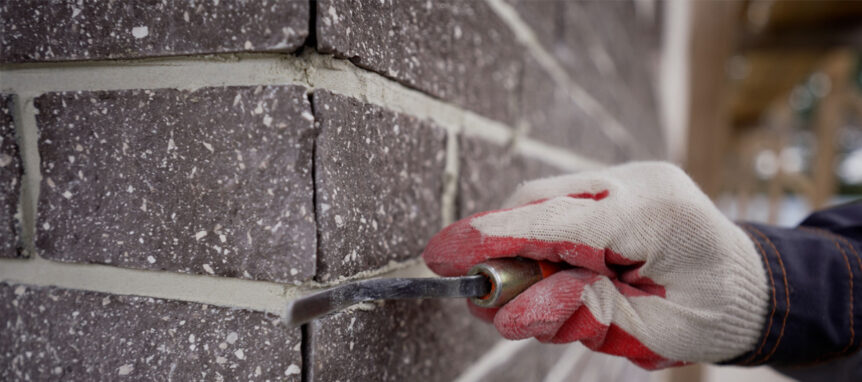
Brick walls are built to withstand decades of exposure to the elements, but their durability depends on more than the bricks themselves. The mortar joints between each brick play an essential role in maintaining the wall’s stability, managing moisture, and supporting the overall masonry structure. When mortar begins to deteriorate or disappear, the surrounding bricks can become increasingly vulnerable to damage.
For homeowners in Toronto, missing mortar joints are particularly concerning because of the region’s seasonal weather conditions. Rain, snow, ice, and repeated freeze-thaw cycles can accelerate deterioration once gaps develop between bricks. What initially appears to be a minor maintenance issue can eventually lead to loose bricks, cracking, water intrusion, and more extensive masonry repairs.
Why Mortar Joints Are Important
Mortar serves several purposes within a brick wall. It bonds individual bricks together, distributes loads, and helps accommodate small movements within the masonry. Properly maintained mortar joints also help limit excessive water penetration while allowing the masonry system to manage moisture.
Although brick is generally durable, mortar is often more susceptible to gradual weathering. Over time, joints can become recessed, cracked, or crumbly. Eventually, sections may fall away entirely, leaving noticeable gaps between bricks.
When these openings develop, the wall becomes more vulnerable to moisture and environmental damage. Addressing deteriorated joints before significant material is lost is an important part of preserving the surrounding brickwork.
Missing Mortar Allows More Water Into Brickwork
One of the biggest concerns with missing mortar is increased moisture penetration. Gaps between bricks provide openings where rainwater and melting snow can enter more easily.
While masonry is designed to tolerate normal moisture exposure, excessive water entering through damaged joints can overwhelm the wall’s ability to manage and release moisture. Water may collect within vulnerable areas, penetrate deeper into the masonry, or affect materials behind the visible brickwork.
Homeowners may begin noticing staining, damp patches, efflorescence, or additional mortar deterioration. If the source of the problem remains unaddressed, moisture exposure can gradually affect a larger section of the wall.
Freeze-Thaw Cycles Can Expand the Damage
Toronto’s winter weather makes missing mortar joints particularly problematic. When water enters gaps and cracks within masonry, it can freeze as temperatures drop. Because water expands when it freezes, this process places pressure on surrounding materials.
When temperatures rise, the ice melts, allowing additional moisture to enter the affected areas. Repeated freezing and thawing can gradually enlarge existing openings and weaken already deteriorated masonry.
Over time, bricks adjacent to missing mortar may begin cracking or spalling. Spalling occurs when portions of a brick’s surface flake or break away, often as a result of moisture exposure combined with freezing conditions.
Repairing deteriorated mortar before winter can help reduce opportunities for excessive moisture to enter these vulnerable areas.
Loose Bricks Can Develop as Mortar Disappears
Mortar provides important support between individual bricks. When joints become severely deteriorated, some bricks may begin losing the bond that helps keep them securely positioned.
In advanced cases, bricks can become loose or shift from their original placement. This movement may create additional gaps, allowing even more water to enter the wall.
Loose bricks can also create safety concerns, particularly when deterioration occurs on chimneys, upper exterior walls, or other elevated masonry features.
Once bricks have shifted significantly, repointing alone may no longer be sufficient. The affected section may require additional repairs to restore proper alignment and stability.
Small Mortar Problems Can Become Expensive Brick Repairs
One of the main advantages of addressing missing mortar early is the opportunity to preserve the existing bricks. When mortar deterioration is localized and surrounding masonry remains sound, repointing may be enough to restore the joints.
However, when gaps remain exposed for extended periods, moisture and movement can contribute to additional brick damage. Cracked, spalled, or severely deteriorated bricks may need to be individually replaced.
If deterioration becomes widespread, larger sections of masonry may require rebuilding. This can make the repair process more involved than it would have been if the original mortar problems had been addressed promptly.
Maintaining mortar joints is therefore an important way to help avoid unnecessary damage to otherwise serviceable brickwork.
How Professional Repointing Helps Protect Your Home
Repointing is the process of removing deteriorated mortar from masonry joints and replacing it with new, compatible mortar. Unlike simply applying a thin layer over damaged areas, proper repointing involves preparing the joints so the replacement material can form a durable bond.
Selecting the appropriate mortar is especially important for older Toronto homes. Mortar that is too hard or otherwise incompatible with the existing bricks can contribute to additional masonry problems.
A professional masonry contractor can evaluate the condition of the joints, determine whether surrounding bricks have been affected, and recommend the appropriate repair.
Repointing can restore deteriorated joints, improve the appearance of the wall, and reduce unwanted moisture penetration. However, any underlying drainage or water management problems should also be addressed to help prevent recurring deterioration.
Protect Your Brickwork Before Repairs Become Extensive
Missing mortar joints may seem like a small problem, but they can expose brickwork to moisture, freezing temperatures, and movement that gradually leads to more serious deterioration. What begins as a few recessed or crumbling joints can eventually develop into loose bricks, spalling, and larger repair projects.
Regular masonry inspections and timely repointing can help preserve your home’s existing brickwork and reduce the likelihood of more extensive repairs. For Toronto homeowners, addressing these problems before winter is particularly beneficial.
If you’ve noticed missing mortar, widening gaps between bricks, or signs of deteriorating masonry, contact Turnbull Masonry. Their experienced team provides professional repointing and brick repair services to help restore damaged masonry and protect your home for years to come.