
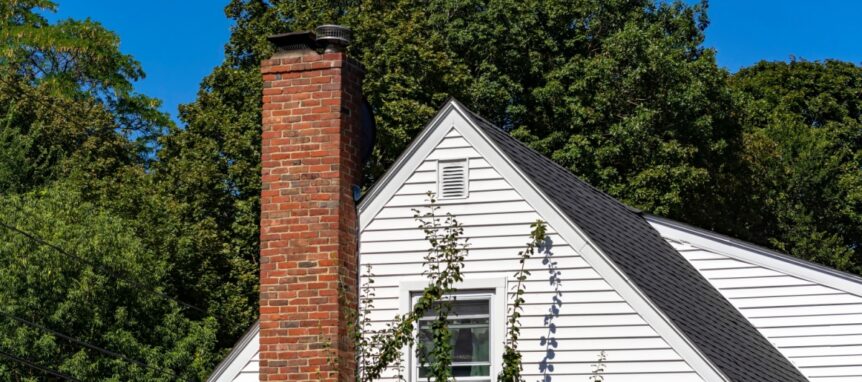
Chimney flashing is one of the most important yet often overlooked components of your home’s roofing and masonry system. Installed where the chimney meets the roofline, flashing is designed to create a watertight seal that prevents moisture from entering your home. When flashing fails, water can quickly find its way into both the chimney structure and the interior of your home, leading to costly damage.
In a climate like Toronto’s, where heavy rain, snow, and freeze-thaw cycles are common, properly functioning flashing is essential. Understanding the warning signs, causes, and solutions for chimney flashing problems can help homeowners act early and avoid major repairs.
What Is Chimney Flashing and Why It Matters
Chimney flashing is typically made of metal, often aluminum, copper, or steel, and is installed in layers around the base of the chimney where it intersects with the roof. It works by directing water away from this vulnerable joint and preventing it from seeping into the roofing materials or masonry.
Flashing systems usually include step flashing along the sides of the chimney and counter flashing embedded into the masonry. Together, these components create a barrier that keeps water out while allowing for natural expansion and contraction between the roof and chimney.
Without properly installed and maintained flashing, even a small amount of water intrusion can lead to significant issues over time.
Common Signs of Flashing Problems
Flashing issues often reveal themselves through subtle warning signs before major damage occurs. One of the most common indicators is water stains on ceilings or walls near the chimney. These stains may appear after heavy rain or snowmelt and can worsen over time if the issue is not addressed.
You may also notice dampness in the attic, peeling paint, or a musty smell near the chimney area. On the exterior, visible gaps between the flashing and the chimney, rusted metal, or loose sections of flashing are clear signs of deterioration.
In some cases, masonry damage such as cracked mortar joints or efflorescence can indicate that water is entering through failed flashing and affecting the chimney structure itself.
What Causes Chimney Flashing to Fail
Several factors can contribute to flashing failure over time. One of the most common causes is simple aging. Exposure to the elements causes metal flashing to expand and contract, which can loosen fasteners and break seals.
Improper installation is another major issue. If flashing is not correctly layered or sealed during installation, it may allow water to penetrate even when it appears intact from the outside. Poor workmanship often leads to early failure.
Weather also plays a significant role. Toronto’s freeze-thaw cycles can cause materials to shift and seals to crack. Heavy snow accumulation and ice buildup can further stress flashing components, while strong winds may loosen or displace sections of flashing.
Additionally, roof wear and tear can impact flashing performance. As shingles age or deteriorate, the connection between the roof and flashing can weaken, creating pathways for water to enter.
Effective Solutions for Flashing Issues
Addressing chimney flashing problems requires a thorough inspection to determine the extent of the damage. In some cases, minor repairs such as resealing joints or replacing small sections of flashing may be sufficient.
However, if the flashing is significantly deteriorated or was improperly installed, a full replacement may be necessary. This involves removing old flashing, installing new step and counter flashing, and ensuring all components are properly sealed and integrated with the roofing system.
It’s also important to address any secondary damage caused by water intrusion. This may include repairing affected masonry, replacing damaged mortar joints, or correcting drainage issues to prevent future problems.
Proper installation and high-quality materials are key to ensuring long-term performance. When done correctly, chimney flashing can last for many years and provide reliable protection against moisture.
Preventing Future Flashing Problems
Preventative maintenance is essential for keeping chimney flashing in good condition. Regular roof and chimney inspections, especially after severe weather, can help identify early signs of wear or damage.
Keeping gutters clean and ensuring proper drainage reduces the amount of water flowing toward the chimney area. Addressing minor issues promptly prevents them from developing into larger, more expensive problems.
Homeowners should also be mindful of the age of their roof and chimney system. Coordinating flashing updates with roof replacements can ensure all components work together effectively.
Protecting Your Home from Costly Water Damage
Chimney flashing may not be the most visible part of your home, but it plays a critical role in protecting both your masonry and interior spaces. When flashing fails, water damage can spread quickly, affecting everything from brickwork to insulation and drywall.
Recognizing the warning signs and addressing flashing problems early is the best way to protect your home and avoid costly repairs.
If you suspect your chimney flashing is damaged or allowing water to enter your home, professional evaluation is the safest course of action. For expert chimney inspections and flashing repairs, contact Turnbull Masonry. Their experienced team can identify the source of the issue and provide lasting solutions to keep your home dry and protected.