
Winter maintenance is essential for keeping walkways, driveways, and entrances safe, but many homeowners don’t realize that common snow and ice removal practices can cause significant damage to masonry. Brick, concrete, stone, and mortar are all vulnerable to the harsh combination of freezing temperatures, moisture, and de-icing methods commonly used during Toronto winters.
Over time, improper snow and ice removal can weaken masonry surfaces, accelerate deterioration, and lead to expensive repairs. Understanding how winter maintenance affects masonry allows homeowners to protect their property while still keeping outdoor areas safe and accessible.
The Impact of Freeze-Thaw Cycles
One of the biggest threats to masonry during winter is the freeze-thaw cycle. Masonry materials naturally absorb small amounts of moisture. When temperatures drop, that moisture freezes and expands. As temperatures rise again, the ice melts and contracts. This constant expansion and contraction gradually weakens brick, stone, and concrete surfaces.
Snow and ice removal often introduces even more moisture to masonry surfaces. Melting snow repeatedly saturates walkways, steps, chimneys, and foundation walls, increasing the amount of water that can penetrate the material. Over time, this leads to cracking, spalling, and mortar deterioration.
How De-Icing Salts Damage Masonry
De-icing salts are commonly used to improve traction and melt ice, but they can be extremely damaging to masonry. Salt lowers the freezing point of water, creating repeated freeze-thaw cycles even when temperatures remain below freezing. This accelerates surface deterioration and increases the likelihood of cracking.
As salt penetrates masonry, it can also leave behind mineral deposits known as efflorescence. More importantly, salts contribute to internal stress within the material, especially in concrete and brick surfaces. Over time, this can lead to flaking, scaling, and weakened mortar joints.
Concrete parging and older brickwork are especially vulnerable to salt exposure. Historic masonry materials often absorb moisture more readily, making them highly susceptible to salt-related damage during winter months.
Physical Damage from Snow Removal Tools
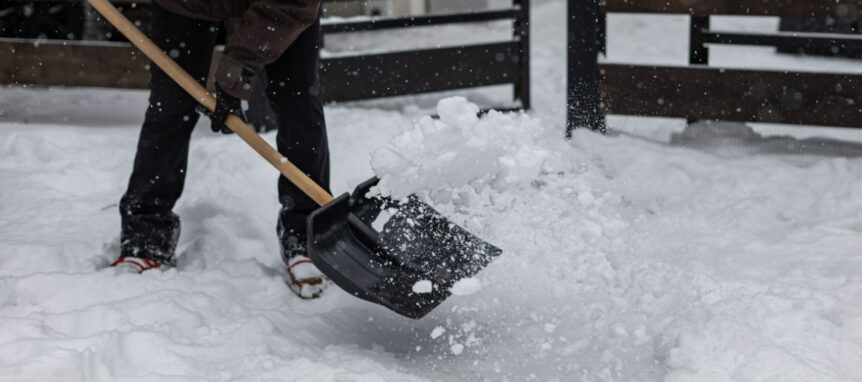
Snow shovels, snowblowers, and metal ice chippers can also unintentionally damage masonry surfaces. Metal shovel edges may scrape or chip bricks, concrete steps, or stone walkways, especially if the masonry already has minor cracks or surface wear.
Snowblowers can be equally problematic when they strike raised edges, decorative masonry, or uneven surfaces. Repeated impact from equipment can loosen mortar joints or chip corners of bricks and stone.
Even seemingly minor surface damage creates openings for moisture to enter, allowing freeze-thaw cycles to worsen the problem over time.
Chimneys and Vertical Masonry Are Also at Risk
While walkways and driveways receive most of the attention during winter, chimneys and exterior walls are also affected by snow and ice buildup. Melting snow can saturate chimney crowns and mortar joints, while ice dams near the roofline may direct water toward masonry surfaces.
Improper drainage during winter can increase moisture exposure around foundations and lower brick walls as well. Over time, this prolonged saturation contributes to cracking, mortar erosion, and structural weakening.
Safer Alternatives for Winter Maintenance
Protecting masonry during winter starts with using the right snow and ice removal methods. Plastic shovels are generally safer than metal-edged tools because they are less likely to chip or scratch masonry surfaces.
Using sand or non-corrosive ice melt products instead of traditional rock salt can also reduce long-term damage. Products specifically designed to be masonry-safe are often less aggressive and help minimize freeze-thaw stress.
Keeping gutters and downspouts clear throughout the winter is another important step. Proper drainage helps prevent water from collecting around masonry surfaces and reduces the risk of moisture intrusion.
Preventing Long-Term Winter Damage
Routine inspections after winter can help identify early signs of masonry deterioration before they worsen. Small cracks, loose mortar, or minor surface flaking should be repaired promptly to prevent water from entering the structure.
Applying breathable sealants where appropriate can also help reduce moisture absorption while still allowing trapped vapor to escape. Combined with proper winter maintenance practices, these preventative measures significantly extend the lifespan of masonry surfaces.
Protecting Your Masonry Through Toronto Winters
Snow and ice removal are necessary parts of winter home maintenance, but using the wrong methods can unintentionally shorten the lifespan of your masonry. By understanding how moisture, salt, and physical impact affect brick and concrete surfaces, homeowners can take steps to protect their property from avoidable damage.
If your masonry has been affected by winter conditions or you’ve noticed cracking, spalling, or mortar deterioration after the snow season, professional masonry repairs can help prevent further issues. For expert masonry inspections and restoration services, contact Turnbull Masonry. Their experienced team can help protect and restore your masonry so it stands strong through every Toronto winter.