
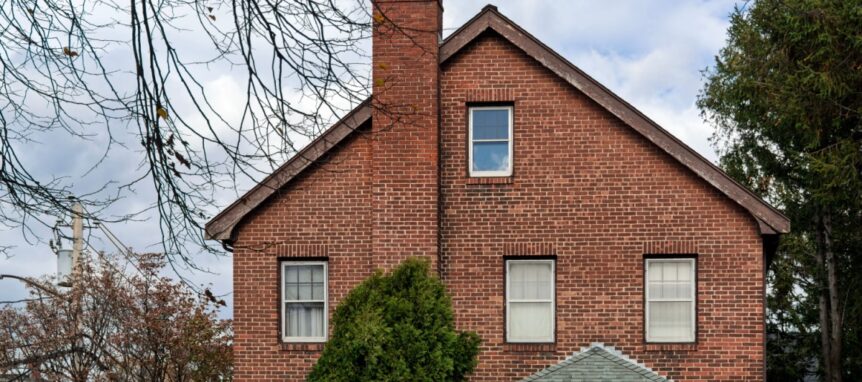
Brickwork is one of the most durable and long-lasting elements of any home, often lasting for decades or even centuries when properly cared for. However, durability does not mean it is maintenance-free. Over time, exposure to weather, moisture, and environmental conditions can gradually wear down even the strongest masonry. Without proper maintenance, small issues can develop into larger structural problems.
For homeowners in Toronto, where seasonal temperature swings and moisture exposure are constant, maintaining brickwork is essential. With the right approach, you can significantly extend the lifespan of your masonry while preserving both its strength and appearance.
Understanding How Brickwork Deteriorates
Brick and mortar naturally age over time, but the rate of deterioration depends on environmental exposure and maintenance practices. Moisture is one of the primary causes of brickwork damage. When water enters through small cracks or weakened mortar joints, it can lead to internal deterioration. In colder months, freeze-thaw cycles expand this moisture, gradually breaking down the structure.
Pollution, UV exposure, and general wear also contribute to surface changes. While some aging is normal and even desirable, such as slight color variation, deeper issues like cracking, spalling, or mortar loss indicate that maintenance is needed.
Recognizing how and why brickwork deteriorates allows homeowners to take proactive steps before damage becomes severe.
The Importance of Regular Inspections
Routine inspections are one of the most effective ways to extend the life of your brickwork. By examining your home’s exterior periodically, you can identify early warning signs such as hairline cracks, crumbling mortar, or discoloration.
Inspecting your masonry after harsh weather, particularly after winter, is especially important in Toronto. Freeze-thaw cycles can cause new damage that may not be immediately noticeable. Catching these issues early allows for simple repairs rather than more extensive restoration later.
Professional inspections provide an added layer of protection by identifying hidden problems that may not be visible to the untrained eye.
Maintaining Mortar Joints
Mortar joints play a critical role in protecting brickwork, and they are often the first component to deteriorate. As mortar ages, it can erode or recede, creating gaps that allow moisture to enter the wall.
Repointing is the process of replacing deteriorated mortar with new material that matches the original composition and appearance. This not only restores the structural integrity of the wall but also helps prevent water infiltration. Keeping mortar joints in good condition is one of the most important steps in extending the lifespan of brickwork.
Managing Moisture Around Your Home
Controlling moisture is essential for protecting masonry. Ensuring that water is directed away from your home reduces the amount of moisture that comes into contact with brick surfaces. Properly functioning gutters and downspouts play a key role in this process, preventing water from pooling near the foundation or running down exterior walls.
Grading around the home should slope away from the structure to prevent standing water. Addressing drainage issues early helps minimize the risk of moisture absorption and long-term damage.
In some cases, breathable masonry sealants can be applied to provide additional protection. These sealants repel water while allowing trapped moisture to escape, helping to maintain the balance needed for healthy masonry.
Addressing Repairs Promptly
Small masonry issues rarely stay small. Cracks, loose bricks, and minor mortar deterioration can quickly worsen if left unaddressed. Prompt repairs prevent damage from spreading and reduce the need for more extensive work in the future.
Repairing damaged areas as soon as they are identified helps maintain the structural integrity of the brickwork. It also preserves the visual consistency of the home, preventing noticeable deterioration over time.
Professional repairs ensure that the correct materials and techniques are used, which is especially important for older homes with unique brick and mortar compositions.
Protecting Your Investment for the Long Term
Brickwork is a valuable and lasting feature of any home, but it requires ongoing care to perform at its best. Regular inspections, proper moisture management, and timely repairs all contribute to extending its lifespan.
In a climate like Toronto’s, proactive maintenance is the key to avoiding costly repairs and preserving the strength and beauty of your masonry. By staying ahead of potential issues, homeowners can ensure their brickwork remains durable and visually appealing for years to come.
If you want to extend the life of your brickwork and ensure it remains in top condition, professional guidance can make all the difference. For expert masonry maintenance, inspections, and repairs, contact Turnbull Masonry. Their experienced team can help protect your investment and keep your masonry strong for decades.