
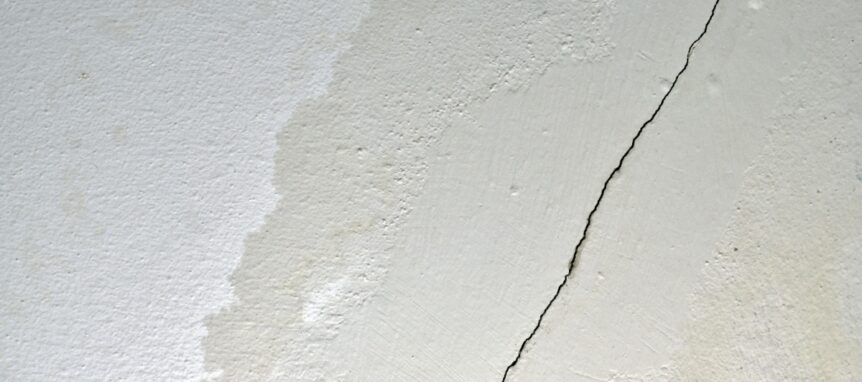
Water leaks in masonry structures are one of the most common and damaging issues homeowners face. Because brick, stone, and mortar are naturally porous, they can absorb moisture over time. When that moisture finds a consistent entry point, it can spread within the wall system, leading to structural deterioration, interior damage, and costly repairs.
The key to protecting your home is early detection. Identifying masonry water leaks before they spread allows for targeted repairs that prevent more serious problems down the line. In Toronto’s climate, where rain, snow, and freeze-thaw cycles are constant factors, staying ahead of moisture intrusion is especially important.
Early Signs of Masonry Water Leaks
Masonry water leaks rarely start as obvious problems. In most cases, the first signs are subtle and easy to overlook. Discoloration on brick surfaces is often one of the earliest indicators. Dark patches that remain after rain or areas that appear consistently damp may signal that water is being absorbed and not properly drying.
Efflorescence, the white powdery residue that forms on brick, is another common sign. While it may seem harmless, it indicates that water is moving through the masonry and bringing salts to the surface. Over time, this moisture movement can weaken mortar joints and contribute to deterioration.
Inside the home, water stains on walls or ceilings near exterior masonry are clear warning signs. Peeling paint, musty odors, or damp spots in basements can all point to moisture entering through the brickwork. These symptoms often appear after prolonged exposure and should not be ignored.
Common Entry Points for Water
Water typically enters masonry through the weakest points in the system. Cracked mortar joints are one of the most frequent entry points. As mortar ages and deteriorates, it creates small gaps that allow water to seep into the wall.
Cracks in bricks themselves can also provide a pathway for moisture, especially when combined with repeated freeze-thaw cycles that expand those cracks over time. Around windows, doors, and roof intersections, failing flashing or sealant can allow water to bypass protective barriers and enter the masonry.
Chimneys are particularly vulnerable because of their constant exposure to the elements. A damaged chimney crown, missing cap, or deteriorated flashing can allow significant amounts of water to enter the structure.
How Water Damage Spreads
Once water enters a masonry wall, it rarely stays in one place. Moisture travels through the pores of brick and mortar, spreading throughout the structure. This movement can lead to widespread damage that is not immediately visible from the outside.
In colder months, trapped water freezes and expands, causing cracks to widen and surfaces to deteriorate. Over time, this leads to spalling, where the outer layer of brick begins to flake or break off. Mortar joints weaken, bricks loosen, and structural stability can be compromised.
Inside the home, moisture can affect insulation, drywall, and framing. Mold growth may develop in hidden areas, creating both structural and health concerns.
Fixing Masonry Water Leaks
Addressing masonry water leaks begins with identifying the source of the problem. A thorough inspection is essential to determine where water is entering and how far the damage has spread. Once the source is identified, repairs can be tailored to address both the entry point and any resulting damage.
Repointing is one of the most common solutions. By replacing deteriorated mortar joints with new, properly matched material, the wall is sealed and strengthened. Cracked or damaged bricks may need to be replaced to restore the integrity of the structure.
In areas where flashing has failed, repairing or replacing these components is critical to redirect water away from vulnerable points. Chimney repairs, including crown sealing or cap installation, can also prevent further water intrusion.
In some cases, applying a breathable masonry sealant can provide additional protection. These products help repel water while allowing moisture vapor to escape, reducing the risk of trapped moisture within the wall.
Preventing Future Leaks
Prevention is always more effective than repair. Regular inspections, especially after heavy storms or winter seasons, help identify small issues before they become major problems. Keeping gutters and downspouts clear ensures water is directed away from the home, reducing pressure on masonry walls.
Maintaining proper drainage around the foundation also plays a significant role. Water that pools near the base of a structure increases the likelihood of absorption and long-term damage.
By staying proactive and addressing minor issues early, homeowners can significantly extend the life of their masonry and avoid costly repairs.
Stop Water Damage Before It Spreads
Masonry water leaks may start small, but they can quickly escalate into serious structural issues if left untreated. Recognizing early warning signs and taking action promptly is the best way to protect your home and your investment.
If you’ve noticed signs of moisture intrusion or suspect a masonry leak, professional evaluation is the safest next step. For expert inspections and reliable repair solutions, contact Turnbull Masonry. Their experienced team can identify the source of the problem and provide lasting solutions to keep your masonry dry and secure.