
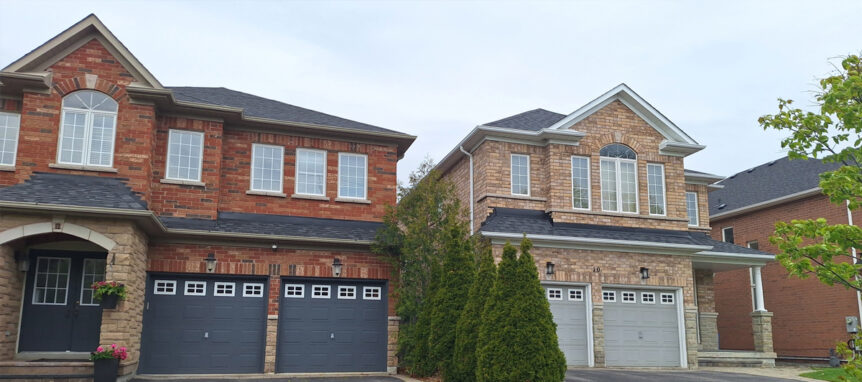
Rain is a regular part of life in Toronto, especially during the spring, summer, and fall months. While a properly built masonry structure is designed to withstand wet conditions, prolonged exposure to moisture can gradually affect brick, stone, and mortar if preventative maintenance is overlooked. Over time, repeated rainfall can lead to moisture intrusion, mortar deterioration, and structural damage that becomes increasingly expensive to repair.
Understanding how Toronto’s rainy seasons affect masonry allows homeowners to recognize potential problems early and take steps to protect their investment before small issues become major repairs.
How Masonry Responds to Rain
Brick and mortar are naturally porous materials, meaning they absorb a certain amount of moisture during rainfall. Under normal conditions, this moisture evaporates once the weather improves. Problems occur when water repeatedly enters the masonry faster than it can dry or when it becomes trapped within the wall system.
Continuous periods of rain keep masonry saturated for longer periods, increasing the likelihood of water penetrating through cracks, deteriorated mortar joints, or damaged flashing. As moisture moves deeper into the structure, it can weaken both the masonry and the materials behind it.
Older homes are particularly susceptible because years of weather exposure may have already compromised their protective barriers.
Mortar Deterioration and Water Infiltration
Mortar joints are often the first part of a masonry wall to show signs of rain-related wear. Constant exposure to moisture gradually washes away small particles within the mortar, causing it to erode and recede over time.
As mortar deteriorates, gaps begin to form between the bricks. These openings allow even more water to enter the wall during future rainstorms, creating a cycle of progressive damage. Left untreated, deteriorated mortar can eventually lead to loose bricks, structural weakening, and the need for extensive repointing.
Regular inspections following prolonged rainy periods can help identify mortar deterioration before significant damage occurs.
Increased Risk of Moisture Damage
Heavy rainfall also increases the likelihood of moisture entering through damaged chimney crowns, cracked bricks, or failing flashing around windows, doors, and rooflines. Once inside the masonry, water can spread throughout the wall system and affect interior finishes as well.
Homeowners may notice water stains on interior walls, peeling paint, damp basement walls, or musty odors as early signs of moisture intrusion. On the exterior, efflorescence, the white powdery residue often seen on brick surfaces, can indicate that water is moving through the masonry and carrying dissolved salts to the surface.
While these signs may appear minor initially, they often point to underlying moisture issues that should be addressed promptly.
Rain Today Can Lead to Winter Damage Tomorrow
One of the biggest concerns with prolonged rainfall in Toronto is that the damage often becomes apparent months later during winter. Water absorbed by brick and mortar remains within the masonry until freezing temperatures arrive.
When that trapped moisture freezes, it expands, placing tremendous pressure on the surrounding materials. This repeated freeze-thaw cycle contributes to cracked mortar joints, brick spalling, and surface deterioration. In many cases, the damage homeowners notice during winter actually began with excessive moisture absorption during the rainy seasons.
Protecting masonry from water infiltration before cold weather arrives is one of the most effective ways to reduce winter-related damage.
Preventing Rain-Related Masonry Problems
Preventative maintenance plays a critical role in protecting masonry from Toronto’s wet weather. Keeping gutters and downspouts clean ensures rainwater is directed away from exterior walls and foundations rather than pooling around the structure.
Regularly inspecting mortar joints, chimney flashing, and brick surfaces allows small issues to be repaired before water gains access to the wall system. Addressing cracks promptly through repointing or selective brick replacement significantly reduces the risk of long-term moisture damage.
Proper grading around the home also helps prevent standing water near foundations, reducing the amount of moisture absorbed by lower masonry walls.
Protect Your Masonry Before Problems Grow
Toronto’s rainy seasons are unavoidable, but the damage they cause doesn’t have to be. With regular inspections, proper drainage, and timely masonry repairs, homeowners can significantly reduce the effects of prolonged moisture exposure and extend the lifespan of their brickwork.
Addressing small problems early helps preserve both the appearance and structural integrity of your home while avoiding more costly repairs in the future.
If you’ve noticed signs of moisture damage, deteriorating mortar, or water infiltration around your masonry, professional evaluation can help identify the source of the problem. For expert masonry inspections, repairs, and restoration services, contact Turnbull Masonry. Their experienced team can help protect your home from the long-term effects of Toronto’s rainy seasons.