
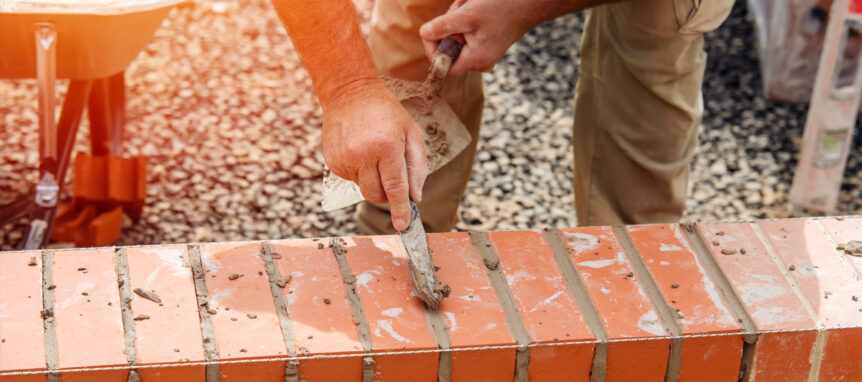
Brick is one of the most durable building materials used in residential construction, but even well-maintained brickwork can develop cracks over time. Changes in temperature, moisture exposure, foundation movement, and normal aging can all contribute to cracking. While some cracks are relatively minor, others may indicate more significant masonry problems that require professional attention.
For homeowners in Toronto, deciding whether cracked bricks should be repaired or replaced depends on several factors, including the size and location of the cracks, the condition of the surrounding mortar, and the underlying cause of the damage. Understanding the difference between repairable cracks and bricks that require replacement can help homeowners protect their masonry and avoid unnecessary expenses.
Understanding Why Bricks Crack
Before deciding how to address a cracked brick, it is important to understand what caused the damage. Bricks can crack for several reasons, and identifying the underlying issue is essential for choosing an appropriate repair.
One common cause is moisture exposure. Brick is porous and can absorb water during periods of rain or melting snow. When temperatures fall below freezing, trapped moisture can expand, placing pressure on the brick. Repeated freeze-thaw cycles can gradually weaken masonry and contribute to cracking.
Structural movement is another potential cause. Foundation settlement, changes in building loads, and thermal expansion can place stress on brick walls. Cracks caused by movement may affect multiple bricks or follow patterns that extend through mortar joints.
In some cases, cracking results from aging materials, previous repairs, or deterioration of the surrounding mortar. Understanding the cause helps determine whether a localized repair will be sufficient.
When Minor Brick Cracks May Be Repairable
Not every cracked brick needs to be removed and replaced. Small, isolated cracks may sometimes be repaired when the brick remains structurally sound and the damage has not significantly affected its integrity.
Depending on the condition of the masonry, a professional may recommend a compatible masonry repair material or another appropriate treatment to address localized cracking.
However, simply filling a crack does not necessarily resolve the problem. If the crack developed because of ongoing movement or moisture intrusion, it may reopen unless the underlying cause is corrected.
A masonry professional can evaluate whether the brick remains suitable for repair and whether surrounding joints or other components also require attention.
When Brick Replacement Is the Better Option
Some cracks are too extensive for a localized repair to provide a lasting solution. Bricks that have split into separate pieces, become loose, or experienced significant surface deterioration may need to be replaced.
Severe spalling is another reason replacement may be necessary. Spalling occurs when portions of the brick surface flake or break away, often because of moisture exposure and freeze-thaw damage. Once a substantial portion of the brick has deteriorated, its ability to perform as intended may be compromised.
Replacing damaged bricks involves carefully removing the affected units and installing suitable replacements with compatible mortar. Matching the size, colour, texture, and other characteristics of the original brick is especially important when repairing older Toronto homes.
Professional replacement can restore the appearance of the wall while addressing individual bricks that are no longer in acceptable condition.
The Importance of Checking Surrounding Mortar Joints
Cracked bricks do not always develop problems independently. Deteriorated mortar joints can contribute to moisture penetration and reduce the support provided to surrounding masonry.
When mortar becomes cracked, recessed, or crumbly, water can enter the wall more easily. During freezing temperatures, this moisture may contribute to additional damage to nearby bricks.
In these situations, replacing an individual brick without repairing deteriorated mortar may leave the surrounding masonry vulnerable.
Repointing involves removing damaged mortar and replacing it with new, compatible material. When combined with appropriate brick repairs, repointing can help restore the condition of the affected masonry and reduce opportunities for excessive water penetration.
Cracking Patterns Can Reveal Larger Problems
The location and pattern of cracks can provide valuable clues about what is happening within a brick wall.
A single cracked brick may indicate localized deterioration, while cracks extending through multiple bricks and mortar joints can suggest movement affecting a larger section of masonry.
Stair-step cracking, horizontal cracks, widening openings, or visible displacement may warrant closer investigation. Cracks accompanied by bowing walls, separation around windows, or other signs of movement can be particularly concerning.
These conditions should not automatically be treated as ordinary surface damage. A professional assessment may be needed to determine whether the cracking is related to a structural issue that must be addressed before masonry repairs are completed.
Why Toronto’s Climate Matters
Toronto homeowners face additional challenges because of the region’s changing seasonal conditions. Rain, snow, ice, and repeated freezing and thawing can gradually worsen existing cracks.
Even a relatively small opening may allow moisture to enter vulnerable areas of brickwork. Once that moisture freezes, expansion can increase pressure within the masonry and contribute to further deterioration.
Addressing damaged bricks and mortar before winter can help reduce the likelihood of cracks becoming more extensive during colder months.
Regular inspections are also useful after particularly harsh winters, when previously minor masonry problems may become more noticeable.
Choosing the Right Repair for Long-Term Results
The decision to repair or replace cracked bricks should be based on the condition of the masonry rather than appearance alone. Minor damage may be suitable for localized repair, while severely cracked, loose, or deteriorated bricks often require replacement.
Equally important is identifying why the cracking occurred. Moisture problems, deteriorated mortar, and structural movement can all contribute to recurring damage if they are not properly addressed.
An experienced masonry contractor can evaluate the affected area, determine the extent of deterioration, and recommend an appropriate repair that preserves as much of the existing brickwork as practical.
Protect Your Brickwork with the Right Repairs
Cracked bricks should never be ignored simply because the damage appears small. While some cracks are relatively minor, others can allow moisture into the masonry or indicate problems affecting a larger section of the wall. Knowing when to repair a brick and when replacement is necessary can help homeowners avoid unnecessary work while protecting the long-term condition of their property.
If you’ve noticed cracked, loose, or deteriorating bricks around your Toronto home, contact Turnbull Masonry. Their experienced team provides professional brick repair, replacement, and masonry restoration services to help preserve the strength, appearance, and durability of your brickwork.