
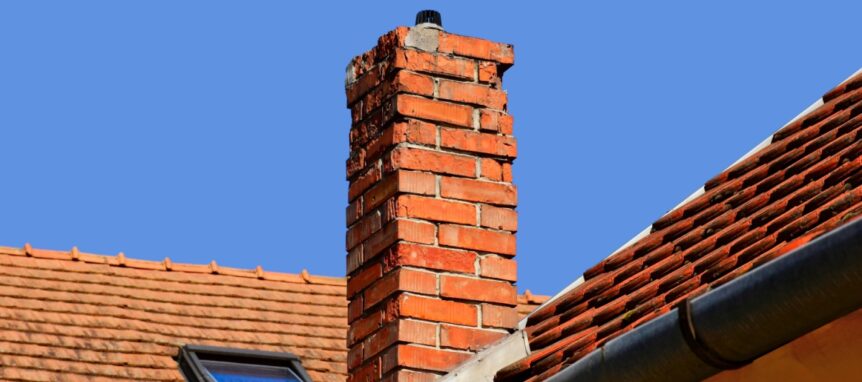
Your chimney crown might not be the first feature you notice on your home, but it plays a vital role in preserving your chimney’s structure and preventing costly water damage. Situated at the very top of the chimney, the crown is a slab of concrete, stone, or metal designed to seal off the top of the flue and direct water away from the masonry.
Unfortunately, because it’s constantly exposed to the elements, especially in climates like Toronto with harsh winters and freeze-thaw cycles, the crown is also one of the most vulnerable parts of the chimney. When it starts to fail, it can lead to serious structural issues that threaten the integrity of the chimney and surrounding areas.
Recognizing the early warning signs of chimney crown damage can save homeowners from expensive repairs and safety concerns down the line.
What Is a Chimney Crown?
A chimney crown sits at the top of the chimney stack, covering the entire opening except for the flue liner. Its sloped surface is designed to direct rainwater, snow, and ice away from the brickwork below. Without this crucial component, water would enter the flue and the space between the flue liner and chimney walls, leading to internal deterioration.
The crown should be constructed from durable, weather-resistant materials like concrete or stone, and it must be properly sealed to prevent cracking. Some modern crowns include overhangs or drip edges that further improve drainage and keep moisture away from the chimney’s base.
Early Signs of Chimney Crown Failure
Chimney crown damage usually starts small but worsens over time due to weather exposure, aging materials, and poor installation. One of the earliest indicators is visible cracking on the surface of the crown. These cracks may appear hairline-thin at first, but they can expand and allow water to seep through as freeze-thaw cycles exert pressure.
You might also notice chipping or crumbling around the edges of the crown. This often means the material is deteriorating and no longer providing a solid barrier against moisture.
In some cases, water stains inside the firebox, a musty smell in the fireplace, or signs of efflorescence (white mineral deposits on bricks) can signal that the crown is no longer keeping water out. These indirect signs may appear before more severe damage is visible at the top of the chimney.
Another red flag is rusted or damaged chimney components, such as the damper or metal flue liner. When the crown fails to do its job, moisture infiltrates the system and causes corrosion from the inside.
Why Prompt Action Is Critical
When a chimney crown begins to fail, it sets off a chain reaction of damage throughout the chimney structure. Moisture seeps into the masonry, weakening mortar joints and bricks. In colder weather, that water freezes and expands, accelerating cracks and leading to spalling, where pieces of brick pop off the surface.
If water continues to enter unchecked, it can damage the flue liner, promote mold growth, and even deteriorate interior walls adjacent to the chimney. In severe cases, structural instability becomes a real concern.
The longer these issues are left unaddressed, the more extensive, and expensive, the repairs become. What could have been a simple resealing or crown replacement might escalate into major chimney rebuilding or full masonry restoration.
Repair and Replacement Options
If caught early, many chimney crown problems can be addressed with repairs rather than full replacement. Small cracks can often be sealed with waterproof, flexible crown coating products that prevent further water infiltration while allowing the structure to breathe.
For more advanced deterioration, the crown may need to be rebuilt. This involves removing the old, damaged crown and constructing a new one with appropriate slope, overhangs, and waterproofing. Rebuilding ensures the chimney is fully protected from above and helps extend its overall lifespan.
It’s also wise to pair crown repairs with a full chimney inspection to catch any secondary damage caused by water intrusion. Regular maintenance and annual inspections can help ensure small problems are caught before they become major issues.
Protecting Your Chimney, Starting at the Top
The chimney crown is your first defense against water and weather damage. When it’s compromised, the entire chimney system is put at risk. By learning to recognize the signs of deterioration and acting promptly, homeowners can prevent costly damage, extend the life of their chimney, and keep their fireplace system running safely year after year.
If you suspect your chimney crown may be cracked, deteriorating, or letting in water, don’t wait for more serious problems to develop. Contact Turnbull Masonry for a professional inspection and expert repairs that will help protect your chimney from the top down.