
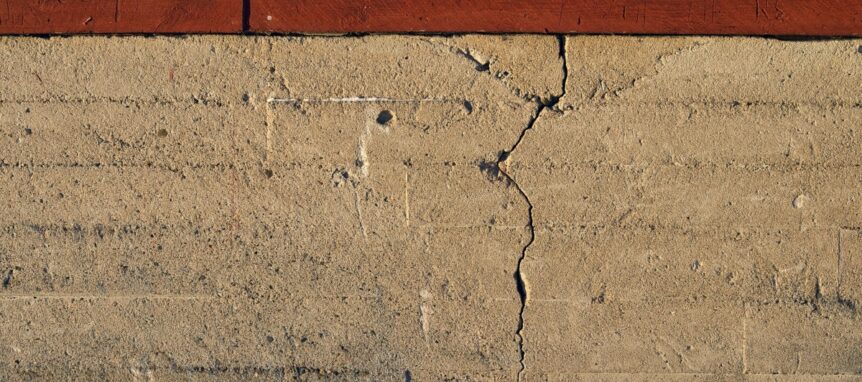
Your home’s foundation is one of its most important structural elements, providing the support that keeps everything stable. While bricks, mortar, and concrete are known for their strength, they are not immune to damage, especially when water is involved. Poor drainage is one of the leading causes of foundation cracks, and the consequences can be severe if left unaddressed.
Whether you own a modern home or a historic property in Toronto, understanding how water interacts with masonry is critical. When moisture builds up around your foundation due to poor grading, blocked gutters, or improper downspouts, the resulting pressure and erosion can lead to cracks that weaken the structure and let even more water in.
How Drainage Affects Your Foundation
Water naturally seeks the lowest point of your property. If your grading is uneven or slopes toward the house, rainwater and melting snow will pool around the foundation. Over time, this moisture begins to saturate the soil and apply pressure against the walls, this is known as hydrostatic pressure. If that pressure isn’t relieved, the foundation walls may begin to shift or crack.
In winter, moisture absorbed by the foundation can freeze and expand, exacerbating the problem. This freeze-thaw cycle can lead to more severe cracking or even cause entire sections of the wall to bow inward. In older Toronto homes, where foundations may already be compromised by age or settling, poor drainage can dramatically speed up deterioration.
Common Signs of Water-Related Foundation Damage
Recognizing the early warning signs of water-related damage can help you prevent long-term structural issues. Cracks are one of the most obvious indicators, especially if they appear along the basement walls, floors, or near corners. Horizontal cracks are often more serious than vertical ones, as they can suggest pressure from expanding soil.
Other signs include:
- Damp or musty smells in the basement
- Pools of water near the foundation after rain
- White, chalky residue on masonry walls (efflorescence)
- Uneven flooring inside the home
- Sticking windows or doors that no longer align properly
These symptoms may seem minor at first, but they can be early indicators of a much larger problem.
Drainage Issues That Lead to Foundation Cracks
Several common drainage problems can contribute to foundation damage. Improperly installed or clogged gutters often result in water pouring directly next to the foundation rather than being directed away. Similarly, downspouts that discharge too close to the house allow water to soak into the surrounding soil.
Poor grading is another major culprit. If the soil around your home slopes inward, water will collect around the base of your foundation. Over time, this saturation erodes the soil and creates the perfect environment for hydrostatic pressure to build up.
In urban areas like Toronto, older stormwater management systems may not be equipped to handle modern demands, which adds another layer of complexity. Homeowners must take proactive steps to ensure their drainage systems are functioning correctly.
Preventing Damage Through Smart Drainage Practices
Fortunately, most water-related foundation issues are preventable. The key is to manage runoff efficiently and consistently. Ensuring your gutters and downspouts are clean and properly directed is a great first step. Downspouts should extend several feet away from the home or be connected to underground drainage systems.
Regrading the landscape around your house to encourage water to flow away from the foundation can also make a significant difference. In some cases, installing a French drain or weeping tile system can offer long-term protection, particularly in areas with high water tables.
Regularly inspecting the perimeter of your home, especially after heavy rainfall, can alert you to potential issues before they become serious. Look for signs of standing water, soil erosion, or damp patches on your basement walls.
Don’t Let Water Compromise Your Masonry
Moisture is one of the biggest threats to a healthy masonry foundation. While bricks and mortar are strong, they are porous and can absorb water if not properly protected. That’s why it’s essential to pair good drainage practices with regular masonry inspections and maintenance.
If you notice foundation cracks or signs of water damage in your home, it’s important to act quickly. Addressing drainage issues and repairing damaged masonry can prevent further deterioration and protect the long-term stability of your structure.
For expert evaluation and repair of foundation cracks and drainage-related masonry issues, contact Turnbull Masonry. Their team offers professional insight and proven solutions to safeguard your home against water damage and preserve its integrity year-round.