
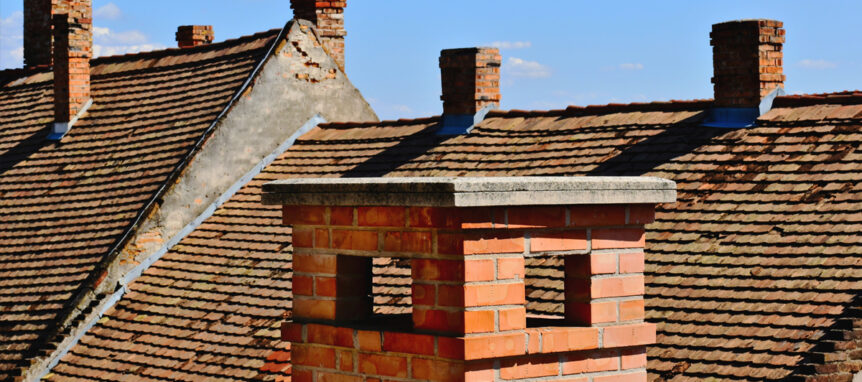
The chimney crown may be one of the least noticeable parts of your home’s masonry, but it plays an important role in protecting the entire chimney from water damage. Located at the very top of the chimney, the crown helps direct rain, melting snow, and other moisture away from the brickwork and flue openings. When it begins to crack, that protection can quickly become compromised.
For Toronto homeowners, chimney crown damage is particularly important to watch because of the region’s changing seasons and repeated freeze-thaw cycles. A small crack may initially seem insignificant, but once water begins entering the crown and surrounding masonry, deterioration can spread. Understanding why chimney crowns crack and addressing the problem early can help prevent much more extensive chimney repairs.
What Does a Chimney Crown Do?
A chimney crown covers the top of the masonry chimney around the flue or flues. A properly constructed crown is designed to shed water rather than allow it to collect on top of the chimney. It should also extend beyond the masonry below so that runoff is directed away from the brickwork.
Because the crown sits at the highest and most exposed point of the chimney, it receives very little protection from the weather. Rain, snow, ice, direct sunlight, and changing temperatures continually affect the material. Over many years, this exposure can cause even a well-built crown to show signs of deterioration.
Why Chimney Crowns Develop Cracks
Weather exposure is one of the most common reasons chimney crowns crack. Materials naturally expand and contract as temperatures change. Repeated movement can eventually create small fractures, particularly as the crown ages.
Moisture can make the problem worse. Once water enters a small crack and temperatures fall below freezing, the water expands as it turns to ice. That expansion can widen the opening. When temperatures rise again, more moisture can enter the larger crack, allowing the process to repeat throughout the winter.
Improper construction can also contribute to premature deterioration. A crown that does not have the appropriate slope or overhang may allow water to collect or run directly onto the masonry below. The materials and construction techniques used can also influence how well the crown withstands long-term weather exposure.
Water Can Spread Into the Chimney Masonry
A cracked crown creates an entry point for moisture at the very top of the chimney. From there, water can travel into mortar joints and bricks, potentially affecting a much larger portion of the structure.
Brick and mortar are porous, so repeated exposure to water can gradually weaken them. Homeowners may begin to notice crumbling mortar, staining, efflorescence, or spalling bricks. In some cases, moisture may travel farther into the chimney system or contribute to water problems inside the home.
Repairing the crown early can help stop this progression before the surrounding masonry requires more extensive restoration.
Freeze-Thaw Damage Can Accelerate Deterioration
Toronto’s winter conditions make moisture intrusion particularly concerning. When saturated masonry freezes, the water within its pores expands. Repeated freezing and thawing places additional stress on already weakened materials.
A small crown crack that allows water into the chimney during fall can therefore become a much larger problem after a winter of changing temperatures. Cracks may widen, mortar joints can deteriorate, and brick faces may begin to break away.
This is one reason chimney problems discovered before winter should be evaluated promptly rather than left until the following spring.
Ignoring Crown Damage Can Lead to Larger Repairs
Minor chimney crown deterioration may sometimes be repairable without rebuilding the entire crown. However, continuing to ignore cracks allows water and weather exposure to cause additional damage.
Eventually, a severely deteriorated crown may require more substantial restoration or replacement. If surrounding brickwork and mortar have also been damaged, the scope of the project can expand further. In advanced cases, portions of the chimney itself may need to be rebuilt.
Addressing the crown when damage is still localized can help preserve more of the existing chimney and reduce the likelihood of larger masonry repairs.
Watch for Early Warning Signs
Because chimney crowns are difficult to see clearly from the ground, homeowners may not notice damage immediately. Visible cracks, missing pieces, deteriorated edges, or water collecting near the top of the chimney can all indicate a problem. Damage elsewhere on the chimney, including spalling bricks or deteriorating mortar near the upper courses, may also suggest that moisture is entering from above.
Interior water stains or dampness around the chimney can have several possible causes, including crown or flashing problems, and should be investigated rather than assumed to come from a particular source.
Professional inspection can determine the condition of the crown and identify whether water has already affected other parts of the chimney.
Protect Your Chimney from the Top Down
A chimney crown provides critical protection against one of masonry’s greatest threats: excessive moisture. Once cracks develop, delaying repairs can allow water to penetrate the chimney and contribute to mortar deterioration, spalling bricks, and more extensive structural damage. Catching crown problems early can make repairs more manageable and help extend the life of the entire chimney.
If you’ve noticed signs of crown deterioration or are concerned about the condition of your chimney, Turnbull Masonry can help determine what repairs are needed. For professional chimney and masonry repair services in Toronto, contact Turnbull Masonry. Their experienced team can assess the chimney crown and surrounding masonry and provide an appropriate solution to help protect your home from future damage.