
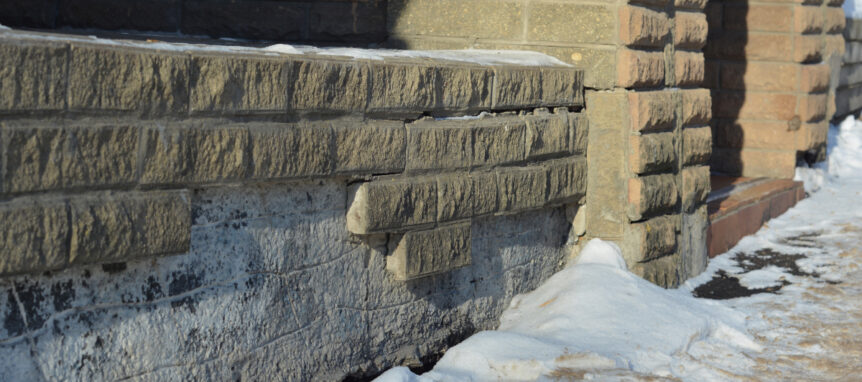
Winter can be especially hard on brick, stone, mortar, and other masonry materials. Small cracks and deteriorated mortar joints that seem manageable during warmer months can become much larger problems once freezing temperatures arrive. For Toronto homeowners, completing necessary masonry repairs before winter is an important part of protecting a property from seasonal damage.
Fall provides an opportunity to identify vulnerable areas and address them before snow, ice, and repeated freeze-thaw cycles put additional stress on the structure. Taking care of masonry problems early can help prevent moisture from penetrating deeper into walls, chimneys, and other masonry features, reducing the risk of more extensive repairs once spring arrives.
Freeze-Thaw Cycles Can Make Existing Damage Worse
One of the greatest winter threats to masonry is the freeze-thaw cycle. Brick and mortar are porous materials that can absorb moisture. When water enters a crack or deteriorated mortar joint and temperatures fall below freezing, that water expands as it turns to ice.
This expansion places pressure on the surrounding masonry. When temperatures rise, the ice melts, and more water may enter the enlarged opening. Repeating this process throughout the winter can gradually turn a small crack into a much more significant area of deterioration.
Repairing vulnerable areas before freezing temperatures arrive helps reduce the amount of water that can enter the masonry in the first place.
Deteriorated Mortar Leaves Brickwork Vulnerable
Mortar joints are designed to help masonry accommodate movement and manage moisture, but they gradually deteriorate with age and weather exposure. Receding, cracked, or crumbling mortar creates openings where rain and melting snow can penetrate the wall.
Once mortar deterioration becomes significant, surrounding bricks may also become more vulnerable. Water entering through weakened joints can contribute to loose masonry, cracking, and spalling during freezing conditions.
Repointing deteriorated areas before winter restores damaged joints and helps the masonry perform properly through Toronto’s colder months. Waiting until significant winter damage has occurred may increase the amount of masonry that ultimately requires attention.
Chimney Problems Can Escalate During Winter
Chimneys deserve particular attention before winter because they are among the most exposed masonry structures on a home. Extending above the roofline means they receive direct exposure to rain, snow, ice, wind, and rapidly changing temperatures.
Cracked mortar joints, deteriorated bricks, or a damaged chimney crown can allow water into the structure. Once that moisture freezes, existing damage can spread. Flashing problems around the base of the chimney may also allow water to enter where the chimney meets the roof.
Addressing visible chimney masonry problems before winter can help prevent moisture-related deterioration during the months when the structure experiences some of its harshest conditions.
Spalling Can Become More Extensive
Spalling occurs when the surface of a brick begins to flake, chip, or break away. Moisture is a major contributor to this problem, particularly when water freezes within porous masonry.
A brick that already has surface damage going into winter may absorb even more moisture through its exposed interior. As freezing and thawing continue, additional sections can break away, leaving the brick increasingly vulnerable.
Replacing severely damaged bricks and addressing the source of excessive moisture before winter can help prevent deterioration from spreading to surrounding masonry.
Cold Weather Can Complicate Certain Repairs
Masonry work depends on appropriate environmental conditions because mortar and other materials need to cure correctly. Very cold temperatures can complicate masonry repairs and may require additional precautions, specialized procedures, or postponement depending on the project and conditions.
Planning repairs before sustained freezing weather arrives gives homeowners more flexibility. It also provides an opportunity for a masonry professional to evaluate the structure and complete appropriate work before winter weather makes the project more challenging.
Rather than waiting until damage becomes urgent during the coldest part of the year, addressing known concerns in advance can make the repair process more manageable.
A Fall Masonry Inspection Can Reveal Hidden Problems
Some masonry deterioration is easy to recognize, while other problems can be subtle. Hairline cracks, slightly recessed mortar joints, early brick spalling, or minor chimney deterioration may not immediately seem serious.
A professional masonry inspection can identify areas that are particularly vulnerable to winter weather. This allows homeowners to prioritize necessary repairs and understand which issues should be addressed promptly.
Taking action before winter can also help prevent small maintenance needs from developing into larger restoration projects after months of freezing conditions.
Prepare Your Masonry for the Winter Ahead
Masonry is built for durability, but Toronto winters can expose weaknesses that have developed throughout the year. Cracked bricks, deteriorated mortar, chimney damage, and moisture entry points can all become more serious when freezing temperatures arrive. Completing appropriate repairs before winter helps protect the structure and can reduce the likelihood of expensive deterioration later.
If you’ve noticed cracking, crumbling mortar, spalling bricks, or chimney damage around your property, addressing those concerns before winter is a smart investment in your home’s longevity. For professional masonry inspections and repairs, contact Turnbull Masonry. Their experienced team can evaluate your masonry and recommend the appropriate repairs to help prepare your home for Toronto’s winter conditions.