
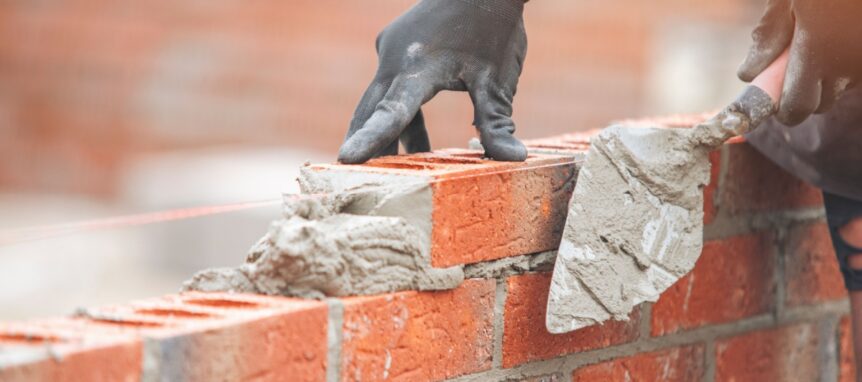
When it comes to masonry restoration, most people focus on the bricks or stone they can see. However, one of the most critical components of any masonry structure is the mortar that binds it all together. Mortar plays a vital structural and protective role, and when it comes time for repairs, matching the original mortar is far more important than many homeowners realize.
Using the wrong mortar during restoration can lead to accelerated damage, moisture issues, and a noticeable mismatch in appearance. Proper mortar matching ensures that repairs blend seamlessly with existing masonry while maintaining the long-term health of the structure.
The Role of Mortar in Masonry Systems
Mortar is designed to be the sacrificial element in masonry construction. It absorbs movement, accommodates thermal expansion, and manages moisture, protecting the bricks or stones themselves from stress and damage. In well-built masonry systems, mortar is intentionally softer and more porous than the masonry units it holds together.
This balance allows the wall to breathe and flex slightly as temperatures change and moisture moves through the structure. When mortar performs correctly, it prevents cracks from forming in the bricks and directs moisture outward rather than trapping it inside the wall.
Why Original Mortar Must Be Matched
Every masonry structure is built with a specific mortar composition based on the materials, era, and construction methods used at the time. Older buildings often used lime-based mortar, which is softer and more flexible than modern cement-based mixes. Newer structures typically rely on stronger mortar blends designed for contemporary brick and block.
When replacement mortar does not match the original in strength, composition, color, or texture, problems quickly arise. Mortar that is too hard can force bricks to absorb stress they were never designed to handle, leading to cracking and spalling. Mortar that is too soft may deteriorate prematurely, requiring frequent repairs.
Color and texture are equally important. Poorly matched mortar creates visible patchwork repairs that detract from the building’s appearance and diminish its character, especially in historic or heritage structures.
Moisture Management and Long-Term Durability
One of the most serious consequences of improper mortar matching is moisture entrapment. Mortar that is too dense or impermeable prevents water from escaping the masonry system. In climates like Toronto’s, this trapped moisture becomes especially dangerous during winter months, when freeze-thaw cycles expand water inside the wall and cause progressive deterioration.
Properly matched mortar allows moisture to migrate out of the wall naturally. This reduces the risk of efflorescence, internal decay, and brick damage over time. Matching mortar composition is not just a cosmetic decision, it is a key factor in protecting the structure from long-term moisture-related issues.
The Visual Impact of Mortar Matching
Mortar makes up a surprisingly large portion of a masonry wall’s visible surface. Even slight differences in color or joint profile can dramatically alter the appearance of a building. In restoration projects, poorly matched mortar often stands out more than the repair itself.
Skilled masonry restoration involves analyzing existing mortar for color, aggregate size, joint style, and finish. New mortar is then carefully blended and applied to replicate the original appearance as closely as possible. This attention to detail preserves the architectural integrity of the structure and ensures repairs are virtually invisible once completed.
Mortar Matching in Historic Masonry
Historic masonry structures demand an especially careful approach to mortar matching. Many older bricks were fired at lower temperatures and are more porous than modern bricks. Using modern cement mortar on these bricks can cause irreversible damage, as the bricks absorb moisture and deteriorate while the mortar remains intact.
Matching historic mortar often involves laboratory analysis to determine the original lime content and aggregate composition. This ensures that restoration work respects the building’s original materials and construction techniques, preserving both structural integrity and historical authenticity.
Precision Makes the Difference
Mortar matching is both a science and an art. It requires technical knowledge, experience, and a deep understanding of how masonry systems function over time. Cutting corners in this process may save money initially, but it often leads to greater repair costs and long-term damage.
Proper mortar matching ensures repairs last longer, perform better, and blend seamlessly with the existing structure. It protects the masonry, preserves its appearance, and maintains the value of the property.
If you’re planning masonry repairs or restoration and want to ensure the work is done correctly, professional expertise is essential. For expert masonry restoration and precise mortar matching, contact Turnbull Masonry by visiting us today. Their experienced team understands the importance of using the right materials and techniques to protect your masonry for years to come.