
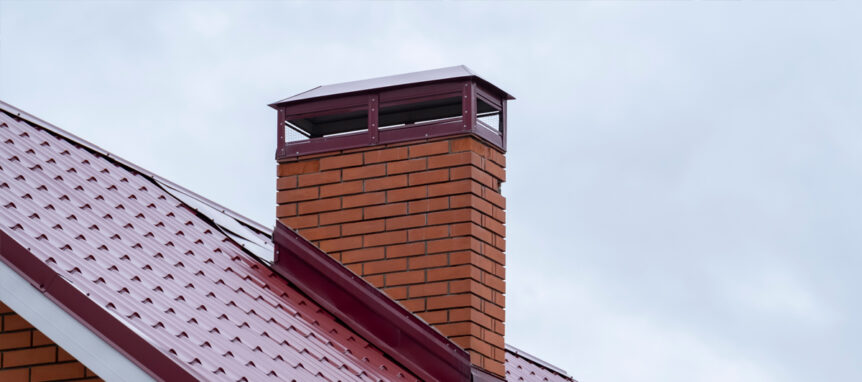
A masonry chimney is designed to withstand years of exposure to the elements, but not every section experiences the same level of wear. The uppermost rows of bricks, commonly called the top courses, are often among the first areas to show signs of deterioration. Crumbling mortar, cracked bricks, spalling, and loose masonry frequently develop near the top of a chimney before similar problems become noticeable farther down.
For homeowners in Toronto, this type of damage is particularly common because chimneys must withstand rain, snow, ice, wind, and repeated freeze-thaw cycles. Understanding why the top courses deteriorate and recognizing the early warning signs can help homeowners address masonry problems before they spread throughout the chimney.
The Top of a Chimney Receives the Most Weather Exposure
Unlike exterior brick walls, which may receive some protection from roof overhangs or surrounding structures, chimneys extend above the roofline and remain exposed to weather from nearly every direction.
Rain and snow can strike the chimney’s upper surfaces directly, while wind-driven moisture can reach areas that might otherwise remain relatively dry. The top courses are also exposed to significant temperature fluctuations and direct sunlight throughout the year.
This constant exposure gradually wears away at mortar joints and can contribute to brick deterioration. Over time, small cracks and openings may develop, making the upper masonry increasingly vulnerable to moisture penetration.
A Damaged Chimney Crown Can Accelerate Deterioration
The chimney crown is designed to protect the top of the masonry structure by directing water away from the bricks below. A properly constructed crown generally slopes outward and extends beyond the chimney walls to help prevent runoff from flowing directly down the brickwork.
When a crown cracks, deteriorates, or lacks an adequate overhang, water may collect near the top of the chimney or enter vulnerable areas around the flue.
Because the upper courses sit immediately beneath the crown, they are often the first bricks affected by this additional moisture exposure.
If the crown remains damaged, water can continue entering the masonry even after individual bricks or mortar joints have been repaired. Addressing the condition of the crown is therefore an important part of preventing recurring chimney deterioration.
Freeze-Thaw Cycles Can Damage Upper Chimney Bricks
Toronto’s winter weather creates particularly challenging conditions for exposed chimney masonry. Brick and mortar are porous materials that can absorb moisture. When temperatures fall below freezing, water trapped within vulnerable areas can turn to ice and expand.
This expansion places pressure on the surrounding masonry. As temperatures rise, the ice melts, and additional moisture may enter existing cracks. Repeated freezing and thawing can gradually enlarge openings and weaken the affected materials.
The upper courses often experience significant moisture exposure, making them especially susceptible to this process. Homeowners may eventually notice spalling, where portions of the brick surface begin flaking or breaking away.
Once spalling begins, the exposed interior of the brick may become even more vulnerable to additional moisture and freezing damage.
Deteriorating Mortar Can Leave Bricks Unsupported
Mortar joints help bond chimney bricks together and maintain the stability of the structure. However, years of exposure to moisture, wind, and changing temperatures can gradually weaken the mortar between the upper courses.
As mortar deteriorates, joints may become recessed, cracked, or crumbly. In advanced cases, sections of mortar may disappear entirely, leaving gaps between the bricks.
These openings can allow additional water into the chimney while reducing the support provided by the surrounding joints. Eventually, individual bricks may begin loosening or shifting.
Professional repointing can restore deteriorated mortar joints when the surrounding bricks remain in suitable condition. However, severely damaged or displaced bricks may require replacement.
Why Chimney Damage Often Spreads Downward
Problems that begin near the top of a chimney do not always remain confined to that area. When water enters through a damaged crown, deteriorated mortar, or cracked bricks, it may travel into lower sections of the masonry.
Over time, this moisture can contribute to additional mortar deterioration, staining, efflorescence, and spalling farther down the chimney.
Water may also reach other vulnerable areas of the chimney system, depending on its construction and the location of the damage.
This is why repairing only the most visibly damaged bricks may not provide a lasting solution. A professional assessment should consider how moisture is entering the chimney and whether surrounding masonry has also been affected.
Repairing the Top Courses Before Damage Becomes Extensive
When deterioration is discovered early, repairs may involve repointing damaged mortar joints, replacing individual bricks, or correcting problems with the chimney crown.
If several upper courses have become severely damaged or unstable, partial chimney rebuilding may be necessary. This involves carefully removing deteriorated masonry and reconstructing the affected section using appropriate materials and techniques.
The extent of the repair depends on the condition of the bricks, mortar, crown, and underlying structure. A masonry contractor can determine whether localized repairs are sufficient or whether a more substantial restoration is needed.
Regular chimney inspections can help identify these concerns before deterioration becomes widespread.
Protecting Your Chimney from the Top Down
The upper courses of a chimney are especially vulnerable because they experience direct exposure to moisture, wind, freezing temperatures, and seasonal weather changes. Damaged chimney crowns, deteriorated mortar, and repeated freeze-thaw cycles can all contribute to brick damage that gradually spreads throughout the structure.
Addressing deterioration early can help preserve the remaining masonry and reduce the likelihood of more extensive chimney repairs. For Toronto homeowners, keeping the upper chimney in good condition is an important part of protecting the entire structure.
If you’ve noticed crumbling mortar, loose bricks, spalling, or other signs of damage near the top of your chimney, contact Turnbull Masonry. Their experienced team provides professional chimney repairs, repointing, and masonry restoration services to help protect your home and extend the lifespan of your chimney.