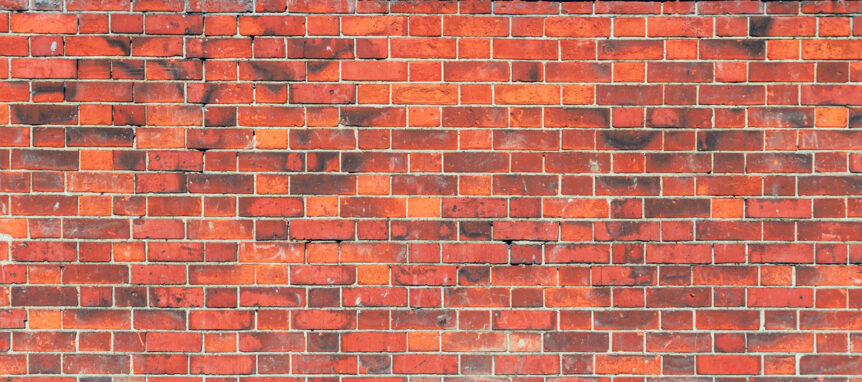
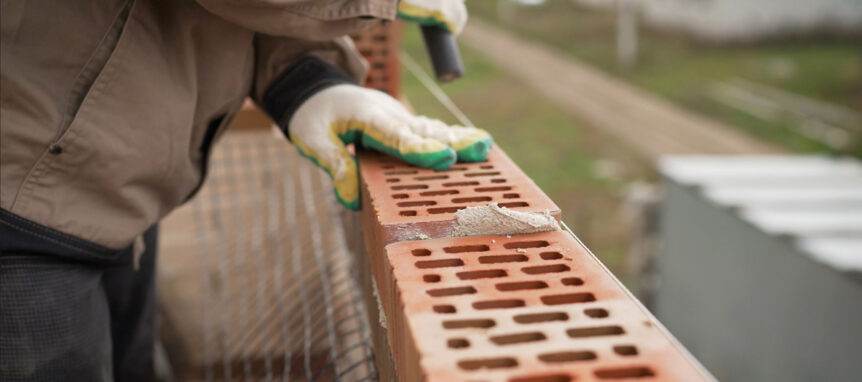
When masonry damage appears, many homeowners assume that replacing the affected bricks is the only solution. While replacement is sometimes necessary, brick repair is often the more practical, cost-effective, and structurally sound option. In many cases, repairing damaged masonry preserves the integrity of the structure while maintaining its original character. …
How Masonry Ages Over Time and What That Means for Your Home
Masonry is one of the most durable building materials available. Brick, stone, and concrete structures can last for decades, even centuries, when properly maintained. However, like all building components, masonry does not remain unchanged over time. Weather exposure, environmental conditions, structural movement, and simple aging all contribute to gradual wear. …
Why Routine Masonry Inspections Save You Money
Masonry is known for its strength, longevity, and timeless appeal, but even the most durable brick and stone structures are not maintenance-free. Over time, exposure to weather, moisture, and natural movement can take a toll on mortar joints, bricks, chimneys, and foundations. Many homeowners delay inspections until visible damage appears, …
Repairing vs. Rebuilding a Chimney: What’s Right for Your Home?
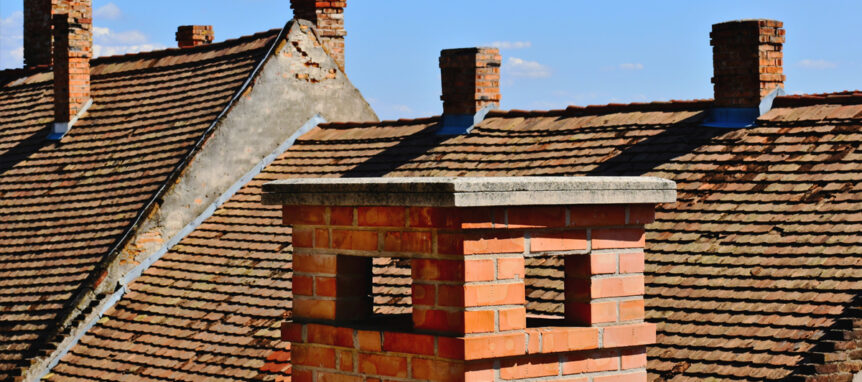
A chimney is one of the most exposed and hardworking masonry structures on a home. Standing above the roofline, it faces constant wind, rain, snow, and dramatic temperature changes throughout the year. Over time, this exposure can lead to deterioration that raises an important question for homeowners: should the chimney …
How Moisture Enters Brick Walls and How to Stop It
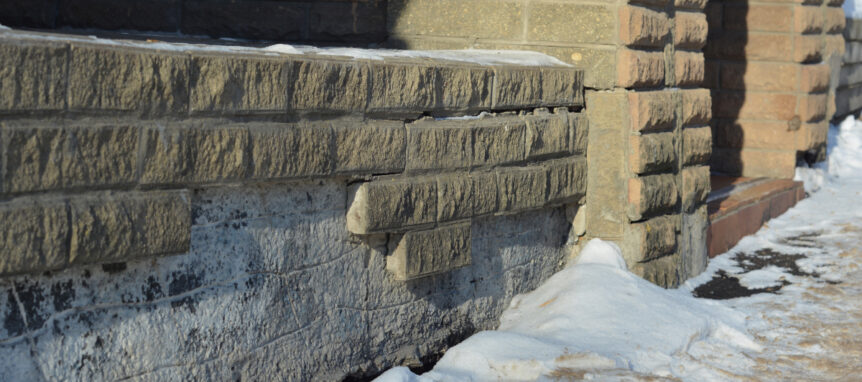
Brick is often thought of as a solid, impenetrable building material, but in reality, it is naturally porous. While this characteristic allows masonry walls to breathe, it also means moisture can find its way inside if the system isn’t properly maintained. In Toronto’s climate, where rain, snow, humidity, and freeze-thaw …