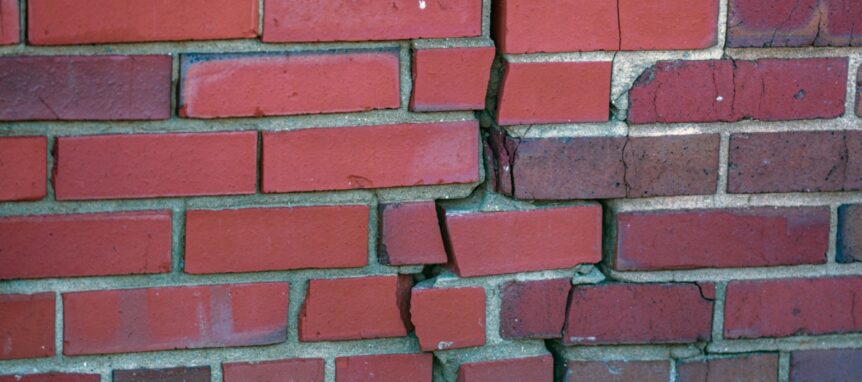
Winter maintenance is essential for keeping walkways, driveways, and entrances safe, but many homeowners don’t realize that common snow and ice removal practices can cause significant damage to masonry. Brick, concrete, stone, and mortar are all vulnerable to the harsh combination of freezing temperatures, moisture, and de-icing methods commonly used …
Why Concrete Parging Fails and How to Repair It Properly
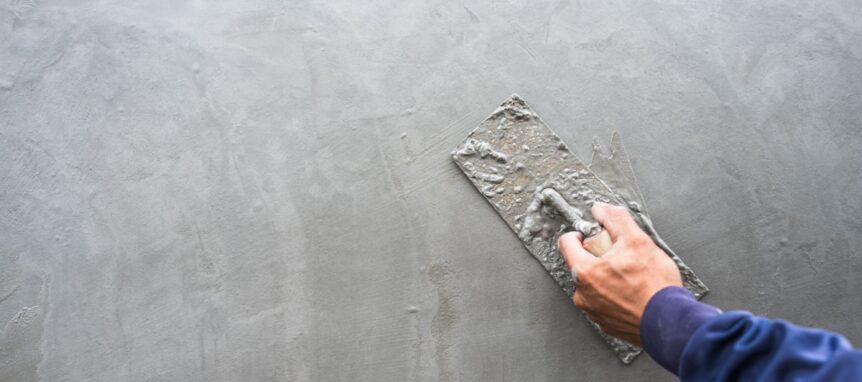
Concrete parging is commonly used to give foundation walls a smooth, finished appearance while providing an extra layer of protection against the elements. While it can enhance both the look and durability of a home’s exterior, parging is not a permanent solution. Over time, it can crack, chip, or separate …
How to Identify and Fix Masonry Water Leaks Before They Spread
Water leaks in masonry structures are one of the most common and damaging issues homeowners face. Because brick, stone, and mortar are naturally porous, they can absorb moisture over time. When that moisture finds a consistent entry point, it can spread within the wall system, leading to structural deterioration, interior …
How to Extend the Lifespan of Your Brickwork with Proper Maintenance
Brickwork is one of the most durable and long-lasting elements of any home, often lasting for decades or even centuries when properly cared for. However, durability does not mean it is maintenance-free. Over time, exposure to weather, moisture, and environmental conditions can gradually wear down even the strongest masonry. Without …
The Role of Expansion Joints in Preventing Masonry Cracks
Masonry is known for its durability and strength, but like all building materials, it responds to environmental changes. One of the most common causes of cracking in brick and concrete structures is movement caused by temperature fluctuations. This is where expansion joints play a critical role. Often overlooked by homeowners, …