Chimneys are built to last, but compared to other masonry structures on a home, they often deteriorate much faster. While brick walls and foundations benefit from some degree of protection from roofing systems and surrounding structures, chimneys remain fully exposed to the elements year-round. Constant contact with rain, snow, wind, …
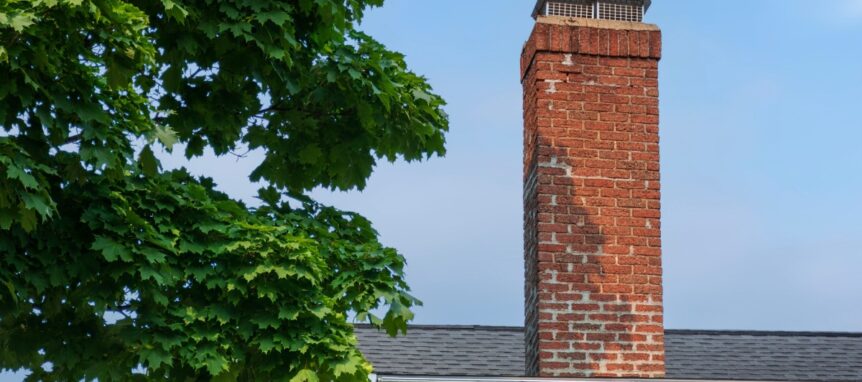
What Causes Brick Spalling and How Can It Be Prevented?
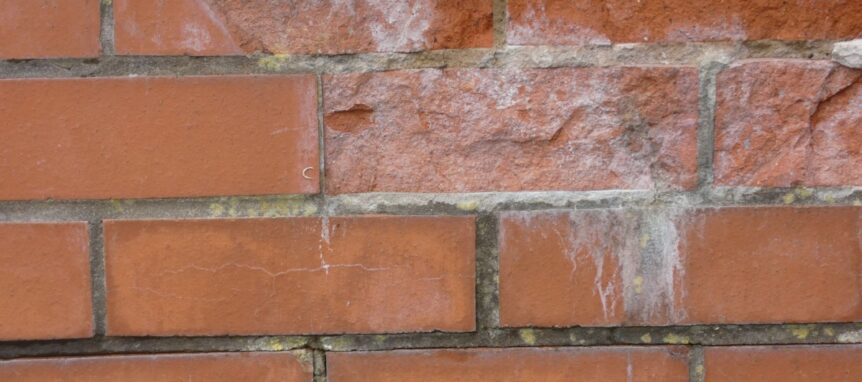
Brick is known for its durability and long lifespan, but even the strongest masonry can deteriorate over time when exposed to harsh environmental conditions. One of the most common forms of brick damage homeowners encounter is spalling. Spalling occurs when the surface of a brick begins to flake, chip, or …
The Role of Expansion Joints in Preventing Masonry Cracks
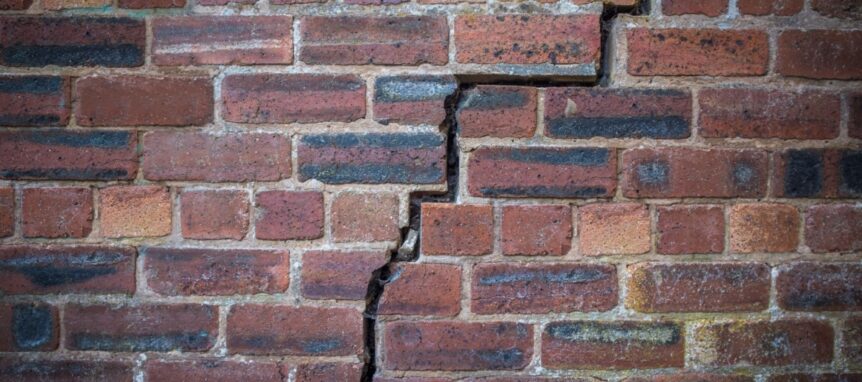
Masonry is known for its durability and strength, but like all building materials, it responds to environmental changes. One of the most common causes of cracking in brick and concrete structures is movement caused by temperature fluctuations. This is where expansion joints play a critical role. Often overlooked by homeowners, …
The Impact of Poor Ventilation on Chimneys and Masonry
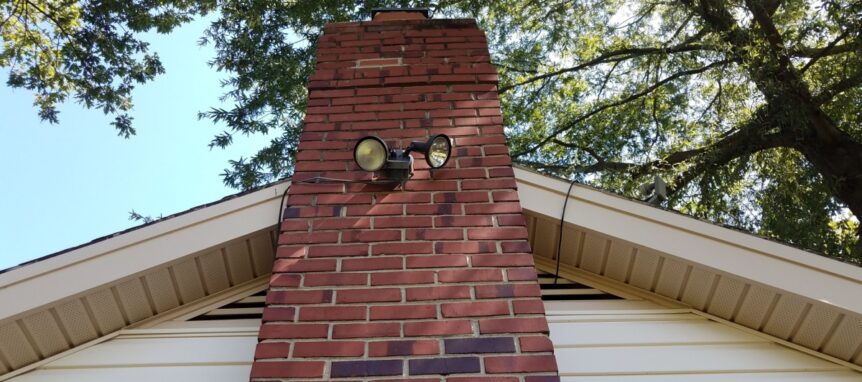
Proper ventilation is essential for maintaining the health and functionality of your chimney and surrounding masonry. While many homeowners focus on visible issues like cracks or loose bricks, ventilation problems often go unnoticed until they lead to more serious damage. In reality, airflow plays a critical role in preventing moisture …
Chimney Flashing Problems: Signs, Causes, and Solutions
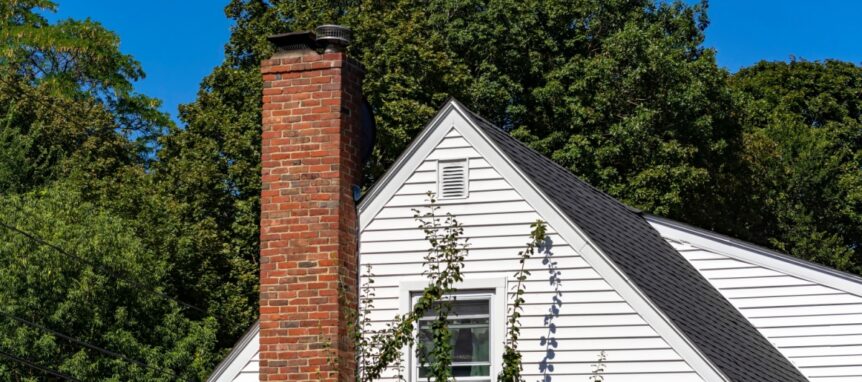
Chimney flashing is one of the most important yet often overlooked components of your home’s roofing and masonry system. Installed where the chimney meets the roofline, flashing is designed to create a watertight seal that prevents moisture from entering your home. When flashing fails, water can quickly find its way …
- Page 1 of 2
- 1
- 2