
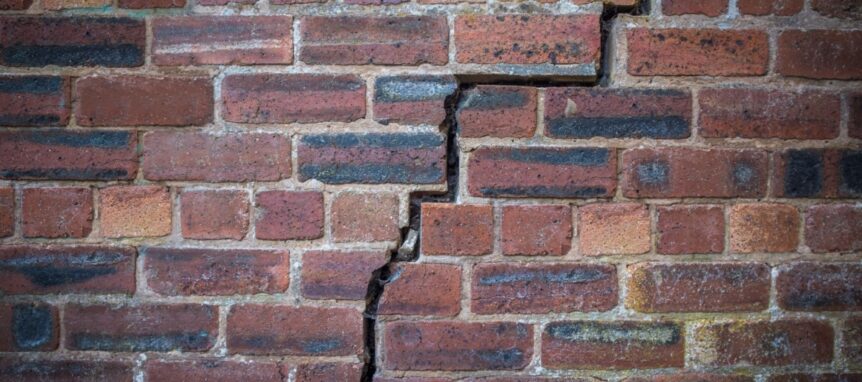
Masonry is known for its durability and strength, but like all building materials, it responds to environmental changes. One of the most common causes of cracking in brick and concrete structures is movement caused by temperature fluctuations. This is where expansion joints play a critical role. Often overlooked by homeowners, these simple but essential components are designed to protect masonry from the stress of expansion and contraction.
In a climate like Toronto’s, where temperatures can swing dramatically between seasons, expansion joints are not just helpful, they are necessary for maintaining the long-term integrity of masonry structures.
What Are Expansion Joints?
Expansion joints are intentional gaps built into masonry structures to allow for movement. As temperatures rise, materials like brick and concrete expand. When temperatures drop, they contract. Without space to accommodate this movement, pressure builds within the structure, eventually leading to cracking or displacement.
These joints are typically filled with flexible materials that can compress and expand as needed. This allows the masonry to move naturally without causing damage to surrounding areas. While they may appear as simple vertical or horizontal lines in a wall, expansion joints are carefully placed based on the size, layout, and design of the structure.
Why Masonry Needs Room to Move
Brick and concrete may seem rigid, but they are constantly responding to environmental conditions. Thermal expansion, moisture absorption, and even structural settling all contribute to movement over time. Without expansion joints, this movement creates internal stress that has nowhere to go.
As pressure builds, the masonry will begin to crack in unpredictable ways. These cracks often appear along mortar joints or run through the bricks themselves. In severe cases, walls may begin to bow or shift, leading to structural concerns that go far beyond cosmetic damage.
Expansion joints act as pressure relief points, allowing the structure to absorb these changes without compromising its stability.
Common Problems When Expansion Joints Are Missing or Failing
When expansion joints are not included in a masonry structure, or when existing joints deteriorate over time, the results can be significant. Cracking is the most obvious symptom, often appearing in long, continuous walls where movement is most restricted.
Over time, these cracks can widen and allow moisture to enter the structure. This introduces a second layer of damage, as water infiltration leads to freeze-thaw deterioration, mortar erosion, and spalling brick surfaces. What begins as a simple stress crack can quickly evolve into a more complex repair issue.
In older buildings, especially in Toronto, expansion joints may not have been included in the original construction. As these structures age, the lack of movement accommodation becomes more apparent, making repairs and retrofitting essential.
Maintaining and Repairing Expansion Joints
Like any part of a masonry system, expansion joints require maintenance to remain effective. The flexible materials within the joint can degrade over time due to weather exposure, UV rays, and general aging. When this happens, the joint may lose its ability to absorb movement.
Signs of failing expansion joints include cracking along the joint line, gaps forming, or hardened sealant that no longer flexes. When joints fail, they should be cleaned out and refilled with new, high-quality materials designed to handle movement and weather exposure.
In some cases, additional expansion joints may need to be installed in areas where cracking has already occurred. This is particularly important in large or continuous masonry surfaces where movement is unavoidable.
Protecting Your Masonry from Unnecessary Stress
Expansion joints are one of the most effective ways to prevent masonry cracks before they start. By allowing materials to move naturally, they reduce internal stress, minimize cracking, and help extend the lifespan of brick and concrete structures.
For homeowners, understanding the role of expansion joints is key to recognizing why cracks may be forming and how they can be prevented. Regular inspections and timely maintenance ensure these joints continue to perform as intended.
If you’ve noticed cracking in your masonry or suspect that expansion joints may be missing or failing, professional evaluation is essential. For expert masonry assessments and repair solutions, contact Turnbull Masonry. Their experienced team can identify the cause of masonry movement and provide lasting solutions to keep your structure strong and stable.