
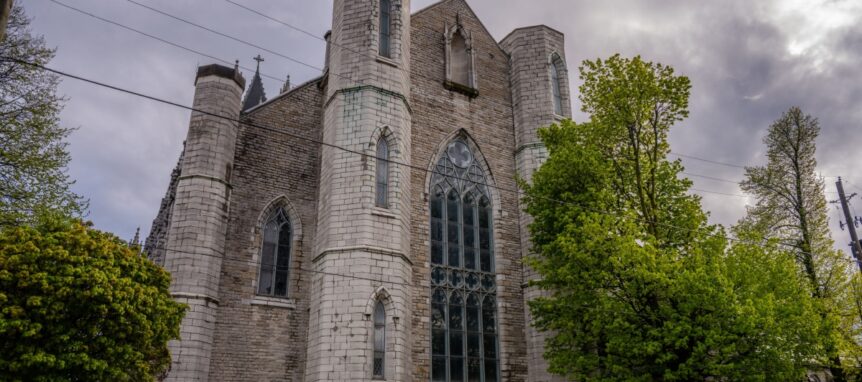
Masonry buildings stand as enduring symbols of craftsmanship, character, and history. Whether it’s a stately Victorian home, a classic Toronto rowhouse, or a public heritage structure, these buildings reflect the architectural heritage of their time. But their age, materials, and construction methods make them vastly different from modern buildings, and that’s why historic masonry demands specialized repair techniques.
Unlike contemporary structures, historic masonry often involves softer bricks, lime-based mortar, and unique construction details that require a thoughtful, preservation-minded approach. Improper repairs can lead to irreversible damage, structural instability, and loss of original character.
Understanding the Nature of Historic Materials
At the heart of any restoration project is a deep understanding of the materials used. Many older brick buildings, especially those built before the 20th century, used hand-molded bricks that are softer and more porous than today’s machine-made varieties. Similarly, lime mortar was the standard bonding agent before Portland cement became popular.
Lime mortar is flexible, breathable, and compatible with the brick used at the time. When modern cement-based mortars are used in repairs, they can be too rigid and dense, trapping moisture inside the wall. This mismatch creates pressure on the bricks, often leading to cracking, spalling, and accelerated decay.
Specialized repair work means respecting the original materials and using compatible techniques that allow the masonry to function as it was intended. This often includes sourcing historically accurate bricks and replicating original mortar mixes based on laboratory analysis.
The Importance of Gentle Restoration
One of the most common mistakes in repairing historic masonry is the use of aggressive cleaning or restoration methods. High-pressure washing, abrasive cleaning, and chemical treatments can permanently scar aged brick and strip away protective layers formed over time.
Skilled professionals know that conservation means taking the least invasive approach possible. Techniques like low-pressure steam cleaning or manual removal of biological growth are preferred to avoid damaging the historic fabric of the building. In some cases, retaining signs of aging, such as patina or natural color variations, is actually desirable and contributes to the building’s historical authenticity.
Tuckpointing with Precision
Tuckpointing is one of the most frequent repair needs in older masonry, especially when mortar joints have eroded or cracked over time. However, this process must be done with great care. Matching the original mortar color, texture, and profile is essential for maintaining visual consistency. In heritage buildings, mismatched mortar can be as visually disruptive as damaged brick.
Even more critically, the composition of the new mortar must be compatible with the existing brickwork. Repointing with overly hard or impermeable mortar can create more problems than it solves, preventing the wall from “breathing” and forcing moisture into the bricks.
An experienced restoration mason will remove damaged mortar by hand and use period-appropriate tools and techniques to apply new mortar that performs correctly and blends seamlessly with the original work.
Respecting Architectural Details
Many historic buildings include intricate masonry details such as decorative cornices, corbelling, arches, and chimneys. These elements are not just ornamental, they are often integral to the structure’s support and design. Preserving or reconstructing them requires craftsmanship, patience, and a deep knowledge of traditional methods.
In some cases, these elements may need to be rebuilt using salvaged brick or custom-fabricated replacements. Skilled masons must be able to recreate complex profiles and patterns while ensuring the integrity of the building is maintained.
Whether restoring a prominent façade or subtle detailing, every repair must be approached with a balance of precision and historical sensitivity.
Preservation with Purpose
Repairing historic masonry isn’t simply about patching cracks or replacing brick. It’s about preserving the identity of a building and honoring the craftsmanship that went into its creation. Each repair decision should consider not only functionality and durability, but also aesthetic accuracy and historical context.
Toronto is home to countless older buildings that add richness and character to the city’s streetscape. Preserving them is not just a technical challenge, it’s a responsibility. With specialized knowledge and a careful hand, these structures can continue to stand strong for generations to come.
If you’re the owner of a heritage building in need of masonry repair or restoration, it’s crucial to work with professionals who understand the unique requirements of historic structures. Contact Turnbull Masonry to schedule an expert evaluation and ensure your building receives the respectful, skilled care it deserves.